Artificial intelligence has moved from the pages of science fiction into the heart of modern business. Just a few years ago, advanced machine learning was an experimental concept reserved for massive technology companies. Today, it is a standard tool used by local bakeries, global shipping companies, and everything in between.
The speed at which businesses are embracing smart technology is unprecedented. Unlike past technological revolutions that took decades to become mainstream, the shift toward automated algorithms has happened in a matter of years.
You might wonder what changed so quickly. Why are companies suddenly rushing to integrate these systems into their daily operations? The answer lies in a perfect storm of technological breakthroughs, shifting economic pressures, and a massive reduction in the barrier to entry.
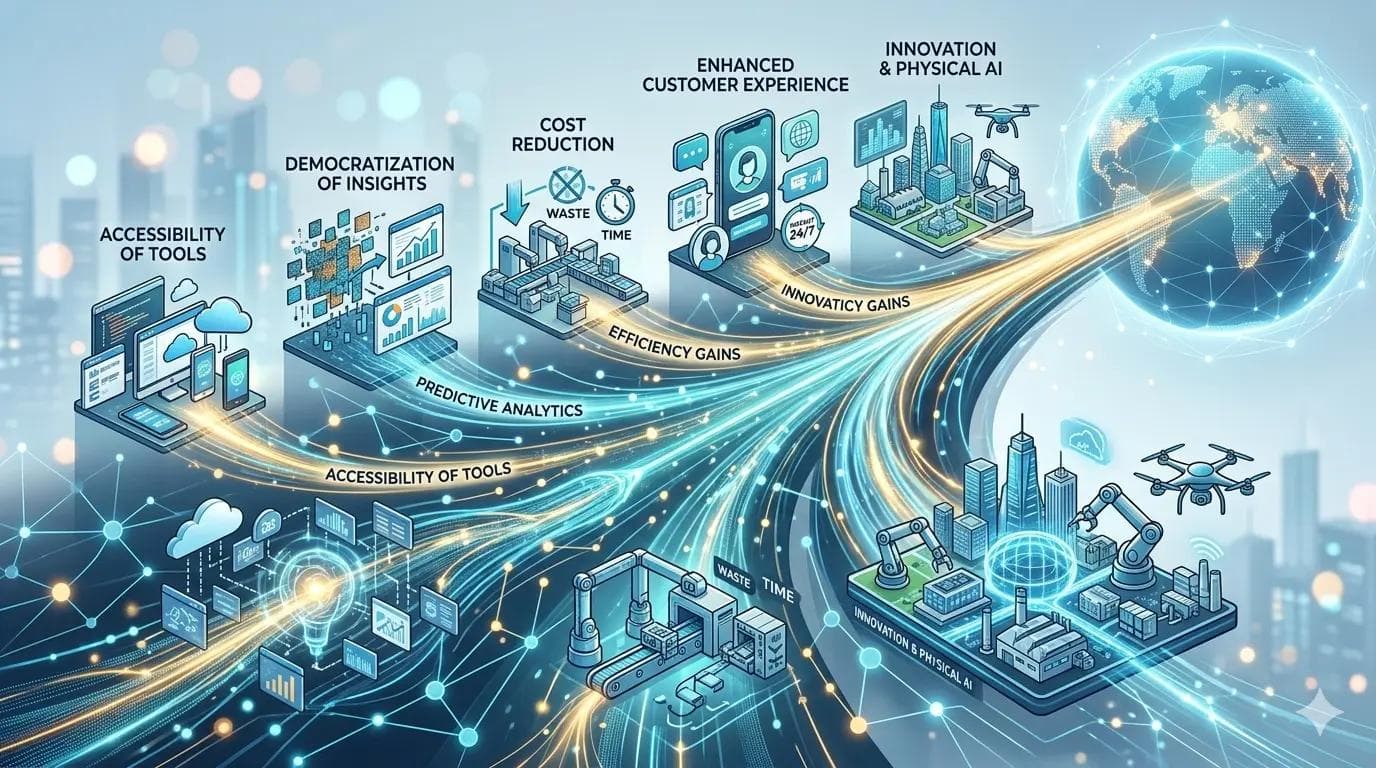
In this guide, we will explore the core reasons behind the rapid growth of artificial intelligence in the workplace. We will look at how it solves real-world problems, makes businesses more profitable, and changes the way we work for the better.
The Core Drivers Behind the Rapid Shift
To understand this massive wave of adoption, we first need to look at the underlying technology. Smart software did not just become popular overnight by accident. Two major factors made this rapid growth possible.
The Exponential Growth in Computing Power
Machine learning requires a tremendous amount of computational power. A decade ago, the hardware required to process millions of data points was incredibly expensive. Only a few research universities and corporate giants could afford it.
Today, computer processors are significantly faster and cheaper to produce. The rise of advanced microchips allows complex calculations to happen in a fraction of a second. This leap in processing power means that smart algorithms can now analyze data and make decisions in real-time, making them actually useful for daily business operations.
The Global Data Explosion
Artificial intelligence runs on data. It is the fuel that trains the algorithms to recognize patterns, make predictions, and understand human behavior.
Over the last ten years, the amount of data generated by internet users, smartphones, and digital sensors has skyrocketed. Every time a customer buys a product, clicks a website link, or uses a mobile app, they generate data. Businesses now have massive libraries of information to feed into smart systems, making those systems incredibly accurate and highly effective.
How Smart Technology Solves Real Business Problems
Technology only becomes widely adopted when it solves actual problems. Business owners are not investing in machine learning because it sounds futuristic. They are investing because it directly impacts their bottom line.
Cutting Operational Costs
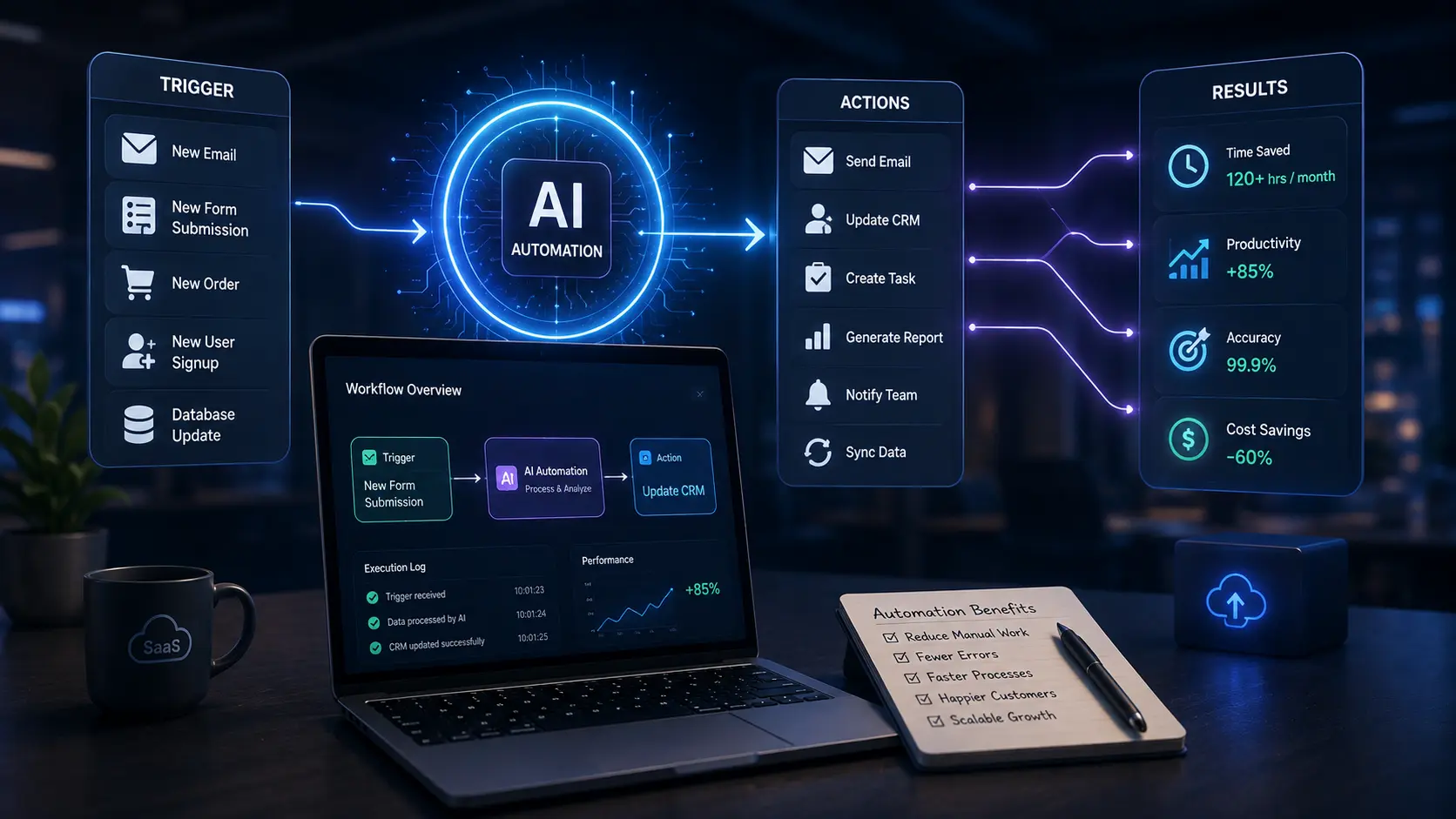
Every business wants to reduce unnecessary expenses. Automated software excels at handling repetitive, time-consuming tasks that usually drain a company's budget.
For example, data entry, inventory tracking, and basic schedule management can now be completely automated. By handing these tedious tasks over to intelligent software, businesses can operate with leaner teams and drastically reduce administrative overhead.
Enhancing the Customer Experience
Today's consumers expect instant answers and highly personalized service. Waiting on hold for thirty minutes to speak to a representative is no longer acceptable.
Businesses use smart virtual assistants to provide instant, round-the-clock support. These intelligent algorithms can answer frequently asked questions, process returns, and help customers navigate websites at any time of day or night. Furthermore, they analyze a customer's past purchases to recommend products they will actually like, creating a deeply personalized shopping experience.
Solving the Labor Shortage
Many industries are currently facing a severe shortage of skilled labor. Companies simply cannot find enough human workers to fill their open positions, leaving them struggling to meet consumer demand.
Smart automation helps bridge this gap. When a company cannot hire more staff, they use software to make their existing team more productive. By automating the routine parts of a job, a single employee can accomplish the work of three people without suffering from burnout.
The Accessibility of Modern Machine Learning
In the past, implementing advanced technology required a team of highly paid software engineers. You had to build your own servers, write your own code, and maintain the system yourself. That is no longer the case.
Cloud-Based Solutions for Everyone
The rise of cloud computing has completely democratized artificial intelligence. You no longer need to own massive physical servers to run complex algorithms.
Major technology companies now host these powerful systems on their own secure cloud servers. Businesses can simply rent access to this technology through a monthly subscription. This means a small local business can utilize the exact same powerful algorithms as a massive multinational corporation, leveling the playing field.
User-Friendly Interfaces (No Coding Required)
You do not need to know how to write computer code to use modern smart software. The latest tools are designed with visual, drag-and-drop interfaces that anyone can understand.
Software developers have wrapped complex mathematical algorithms in simple, intuitive dashboards. A marketing manager can now use predictive analytics to plan a campaign just by clicking a few buttons. This ease of use has removed the technical fear that used to stop business owners from trying new technology.
Real-World Examples of Rapid Integration
To truly grasp why adoption is growing so fast, it helps to look at how different industries are using these tools right now. The applications are incredibly diverse and highly practical.
Healthcare and Medical Diagnostics
In the medical field, accuracy and speed save lives. Hospitals are adopting intelligent imaging software to help doctors analyze X-rays, MRIs, and CT scans.
These smart systems can detect microscopic anomalies, such as early signs of tumors, much faster than the human eye. They do not replace the doctor; instead, they act as a highly precise assistant, allowing medical professionals to catch dangerous conditions earlier and start treatment sooner.
Retail and Supply Chain Management
Managing the flow of physical goods is a complex logistical puzzle. Retailers lose millions of dollars every year by either overstocking products or running out of popular items.
Modern supply chain software uses predictive algorithms to forecast consumer demand. It analyzes historical sales data, upcoming weather patterns, and local economic trends to predict exactly how much of a product a store will need next month. This prevents wasted inventory and ensures shelves are always stocked with what people actually want to buy.
Financial Services and Fraud Detection
Banks and credit card companies handle millions of transactions every single minute. Human security teams cannot possibly monitor every single purchase for fraudulent activity.
Financial institutions now rely entirely on automated algorithms to protect consumer money. These systems instantly analyze the location, size, and frequency of a purchase. If a transaction deviates from your normal spending habits, the system flags it and freezes the card in milliseconds, preventing theft before it happens.
Overcoming the Fear of Change
Whenever a disruptive technology emerges, it is naturally met with skepticism and fear. For a long time, the public narrative suggested that automated machines were coming to take away human jobs.
From Job Replacement to Job Enhancement
The narrative is finally shifting, which is driving faster adoption. Workers and managers are realizing that smart software is not a replacement for human creativity and emotional intelligence.
Instead of taking jobs, these tools are taking over the boring, robotic tasks within those jobs. An accountant no longer spends hours typing receipts into a spreadsheet; the software does that automatically. The accountant is now free to spend their time advising clients on financial strategy, making their job much more rewarding.
Better Security and Compliance Tools
Early hesitation to adopt new technology often stemmed from data privacy concerns. Business owners worried that feeding customer data into an automated system might lead to security breaches.
The software industry responded by building incredibly robust security features directly into their platforms. Modern tools use advanced encryption and strict compliance protocols to protect sensitive data. Now that business leaders feel confident their information is safe, they are far more willing to upgrade their systems.
Practical Tips for Integrating Smart Technology into Your Business
If you are a business owner looking to join this technological wave, it can be difficult to know where to begin. The key is to avoid rushing into massive changes. A strategic, thoughtful approach ensures long-term success.
- Identify Your Biggest Bottleneck: Do not adopt technology just for the sake of it. Look at your daily operations. Where does your team spend the most time doing repetitive, manual work? That is where you should apply automation first.
- Start Small and Scale Up: Choose one specific process to automate, such as email sorting or appointment scheduling. Test the software, learn how it works, and measure the results. Once you are comfortable, you can expand its use to other departments.
- Prioritize Employee Training: Your new tools are only as good as the people using them. Invest time in educating your staff. Show them how the software makes their daily routine easier, rather than just forcing a new program onto their computers.
- Keep the Human Element: Never automate a process that requires genuine empathy. Customer complaints, complex negotiations, and creative strategy should always remain in human hands. Use machines for data, and use humans for connection.
- Review and Refine Regularly: Technology changes constantly. Set aside time every quarter to review how your automated systems are performing. Check if there are software updates or new features that could make your operations even more efficient.
Frequently Asked Questions (FAQ)
Is smart technology only for large corporations?
Not at all. Thanks to cloud computing and subscription-based software, powerful automated tools are now highly affordable. Small local businesses, freelance professionals, and independent online stores use these systems every day to compete with larger companies.
Do I need to hire a programmer to set these systems up?
No. The vast majority of modern business software is designed for non-technical users. If you know how to use standard office software or navigate a web browser, you can easily set up and manage these automated platforms yourself.
Will automated systems make human workers obsolete?
History shows that technological leaps change the nature of work, but they do not eliminate the need for humans. While repetitive manual labor will decrease, new roles requiring critical thinking, strategy, and emotional intelligence will continue to grow rapidly.
How much does it cost to implement automated business software?
The cost varies wildly depending on your needs. Many basic automation tools offer free starter plans. Comprehensive platforms for small businesses usually range from twenty to one hundred dollars a month, making them highly accessible for any budget.
Is customer data safe with these cloud-based algorithms?
Yes, provided you use reputable software providers. Industry leaders invest heavily in enterprise-grade encryption and comply with strict international privacy laws. Always read the privacy policy of any tool you choose to ensure they do not misuse your proprietary information.
Conclusion
The rapid growth of artificial intelligence adoption is not a temporary business trend. It is a fundamental shift in how the modern world operates. By combining massive computing power with vast amounts of data, we have created tools that solve incredibly complex problems in a matter of seconds.
Businesses are embracing this change because the benefits are simply too large to ignore. Lower operational costs, highly personalized customer experiences, and the elimination of tedious manual labor are transforming struggling companies into highly efficient operations.
As these tools become even more accessible and user-friendly, the barrier to entry will continue to disappear. The companies that thrive in the future will not be the ones that resist this change. The winners will be those who learn to work alongside intelligent systems, combining the processing speed of modern software with the irreplaceable creativity of the human mind.
About the Author

Suraj - Writer Dock
Suraj Kumar is a writer, entrepreneur, and the CEO and founder of this website, sharing simple and practical insights on business, creativity, and personal growth. With experience building digital projects, they enjoy helping others learn, grow, and succeed online.