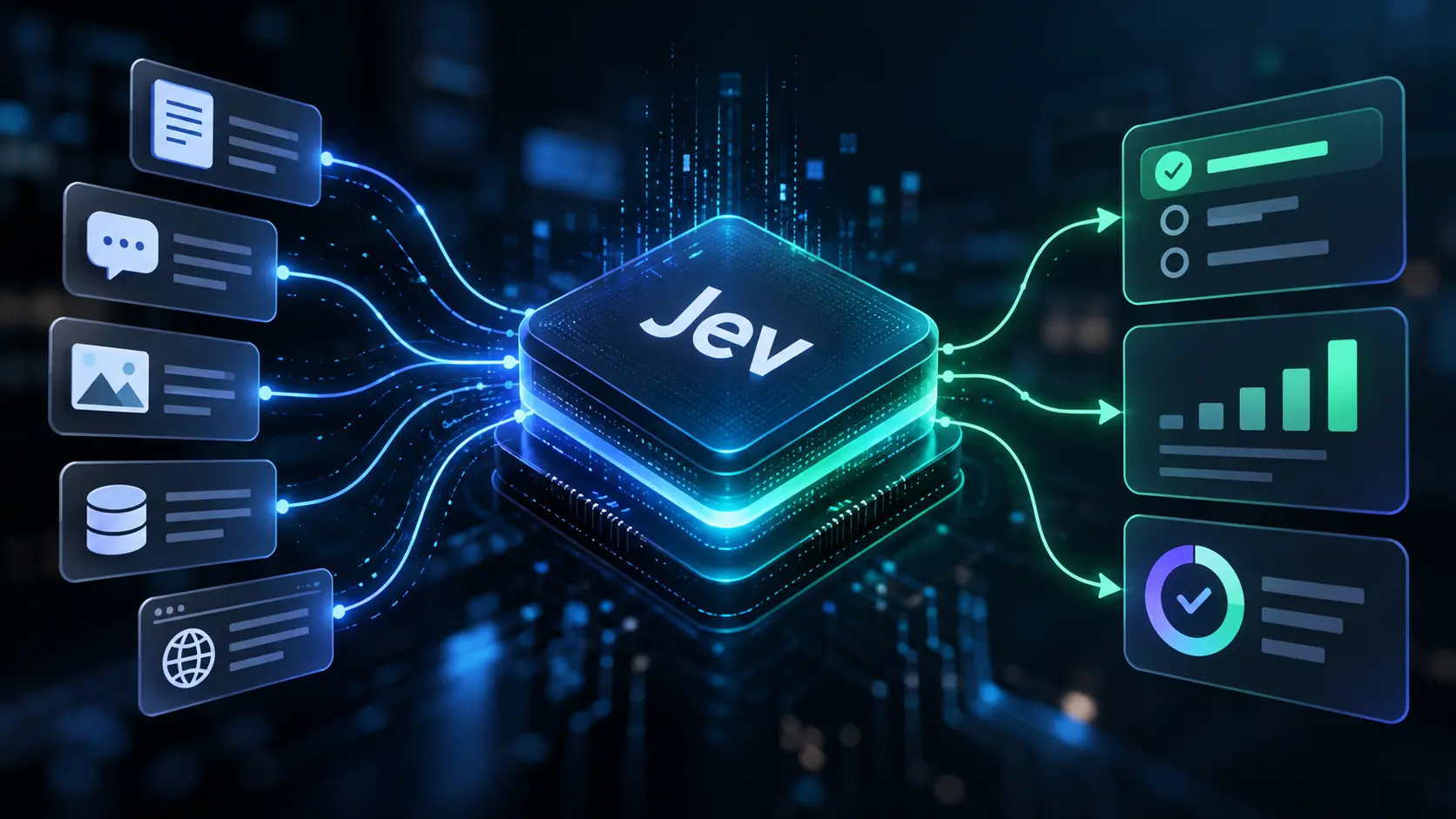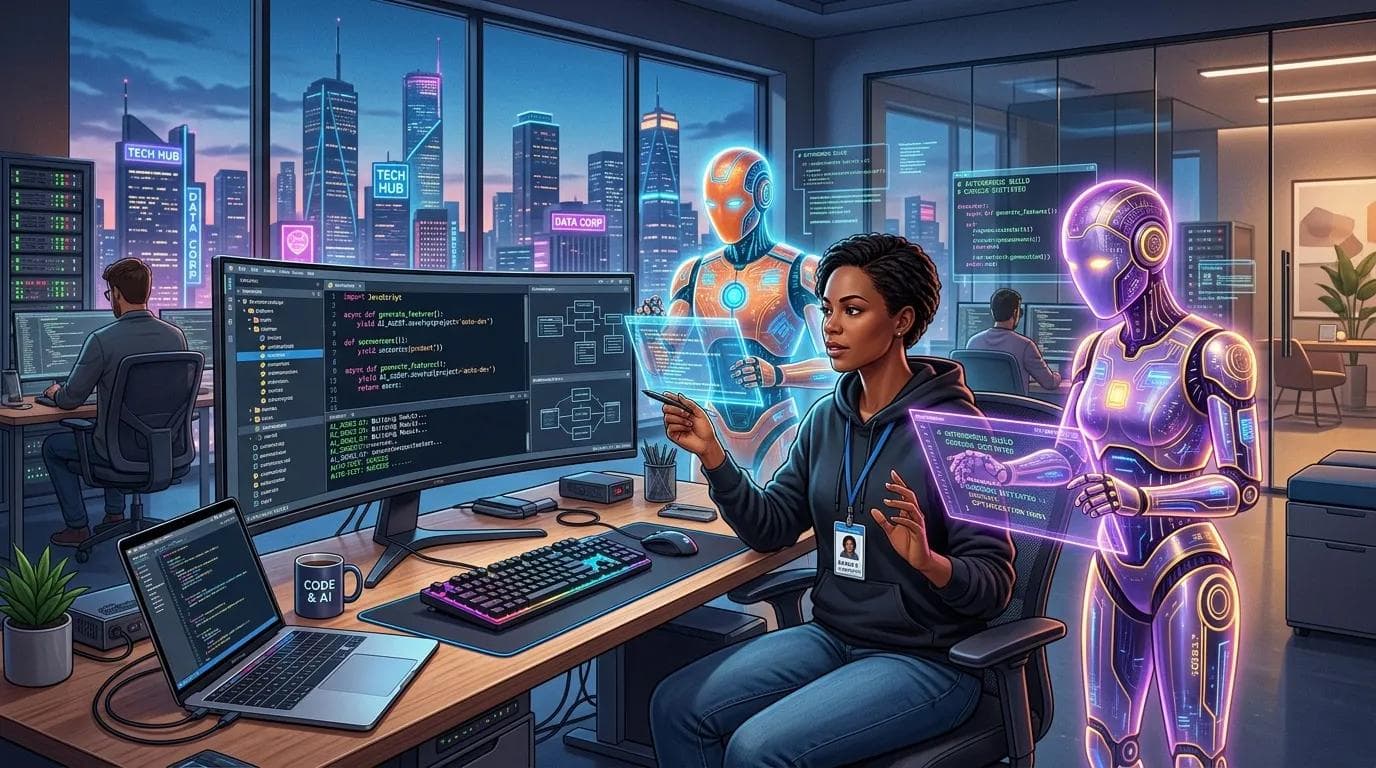
AI agents coding has emerged as the definitive shift in modern software development, moving beyond simple code completion tools to autonomous systems that can design, build, and secure complex applications. If you have struggled to keep up with the technical debt of rapidly expanding codebases or the increasing complexity of modern security requirements, this guide will show you how autonomous workflows are changing the game. We will explore how these intelligent systems are transforming the entire software development lifecycle, from initial architecture to runtime security validation.
What is AI agents coding?
AI agents coding refers to the use of autonomous software entities capable of executing multi-step development tasks, making logical decisions, and managing complex workflows without constant human intervention. Unlike traditional IDE plugins that merely suggest code snippets, these agents can reason about a project's state, perform multi-file edits, debug runtime failures, and integrate security patches automatically.
At its core, an agentic system is designed to fulfill a complex goal—such as 'implement a user authentication module'—by breaking it down into sub-tasks, writing the necessary code, running local tests, and iterating based on execution feedback. This represents a paradigm shift where the developer moves from an 'author' role to an 'architect and supervisor' role, guiding autonomous systems through the development process.
How AI agents coding Works (Step-by-Step)
Understanding the mechanics of these agents is crucial for leveraging them in professional environments. Here is the typical operational flow of an agentic coding system:
- Task Decomposition: The agent receives a high-level intent (e.g., "refactor the API endpoints for better performance"). It analyzes the existing codebase to map out dependencies.
- Context Gathering: The agent crawls relevant files, documentation, and configuration files to build a comprehensive internal model of the task.
- Strategic Planning: The system outlines a sequence of operations, identifying which modules to modify and which tests to run to verify the changes.
- Execution and Iteration: The agent writes or modifies code. Crucially, it then executes a test suite. If the test fails, it reads the error logs, self-corrects the code, and repeats the process until the build is stable.
- Security and Compliance Check: Before final integration, the agent runs static and dynamic security scans to ensure the new code doesn't introduce vulnerabilities.
- Human-in-the-loop Review: Finally, the agent presents a summary of changes and a test report to the developer for final approval or fine-tuning.
Benefits of AI agents coding
Transitioning to agentic workflows offers tangible improvements in development velocity and software quality. Some of the primary benefits include:
- Accelerated Time-to-Market: By automating repetitive coding tasks and boilerplate generation, teams can focus on high-value logic and architecture.
- Reduced Technical Debt: Agents are excellent at maintaining consistency across a large codebase, ensuring that refactoring tasks are applied uniformly and that legacy patterns are systematically updated.
- Continuous DevSecOps Integration: With AI-native code analysis platforms, agents can identify security flaws during the writing process rather than waiting for downstream CI/CD pipeline failures.
- Improved Documentation: Autonomous agents can maintain up-to-date documentation by analyzing code changes in real-time, ensuring that technical debt isn't exacerbated by outdated manuals.
Real-World Examples of AI agents coding
In practice, these systems are being deployed in high-stakes environments where reliability is paramount. Consider these three scenarios:
- Autonomous Bug Remediation: A company identifies a recurring vulnerability in their legacy Java code. An agent is deployed to scan the entire repository, replicate the bug with a test case, draft a secure fix, and create a pull request that passes all existing unit tests.
- Cloud Migration Orchestration: An organization moving from a monolithic architecture to microservices uses agents to refactor dependencies, update configuration files, and generate infrastructure-as-code scripts, significantly reducing the manual overhead of migration.
- Dynamic Runtime Testing: During a deployment, an agent monitors logs in real-time. If it detects a degradation in latency, it automatically audits recent code changes, suggests a rollback or a performance optimization, and initiates a localized regression test.
AI agents coding vs Traditional Systems
Traditional development relied heavily on human-centric code generation where the developer maintained the primary oversight. The agentic approach differs in several key ways:
Feature Traditional Tools AI Agents Scope Line-by-line completion Multi-file architectural changes Reasoning Limited or non-existent Ability to plan and self-correct Testing Manual intervention needed Autonomous test-and-repair loops Security Post-hoc scanning Real-time analysis and patching
Traditional systems require developers to hold the entire state of the project in their heads. In contrast, agentic workflows utilize persistent memory and context-aware analysis to handle large-scale changes that would be error-prone for humans to manage manually.
Challenges or Risks of AI agents coding
Despite the clear advantages, adopting autonomous coding agents comes with significant responsibilities. The primary risks include:
- Hallucinations and Logic Errors: Even the most advanced agents can make incorrect assumptions about complex business logic. Rigorous test coverage is mandatory to validate their output.
- Security of the Agent: An agent with write access to a repository is a high-value target. Securing the agent's credentials and ensuring it operates within strictly defined sandboxes is essential for AI DevSecOps.
- Over-Reliance: There is a risk that human developers might lose touch with the nuances of their own codebase, making it difficult to debug the system if the agents encounter an edge case they cannot solve.
Future of AI agents coding
As we look forward, the trend is moving toward 'multi-agent systems' where specialized agents collaborate—a reviewer agent, a security agent, and a coding agent—working in tandem. This modular approach will further reduce error rates and improve the quality of AI-generated software. We expect to see a massive adoption of AI-native code analysis platforms that operate not just as passive tools, but as active contributors to the software development lifecycle.
Key Takeaways
- AI agents coding represents a shift toward autonomous, goal-oriented development rather than just code suggestion.
- Success with agentic workflows requires a strong foundation in automated testing and robust CI/CD pipelines.
- DevSecOps is being redefined by agents that perform real-time code analysis and automatic vulnerability remediation.
- The role of the developer is evolving into a supervisory position that focuses on setting goals, auditing outcomes, and handling complex architectural decisions.
Frequently Asked Questions
How does AI agents coding differ from simple autocomplete tools?
Autocomplete tools suggest code based on immediate context, whereas agents understand project-wide requirements, can execute multi-step plans, and self-correct based on test results.
Are AI agents safe to use for production code?
When implemented with strict human-in-the-loop review processes, comprehensive test suites, and proper security sandboxing, they can significantly improve production code quality and safety.
What is the relationship between agentic workflows and DevSecOps?
Agentic workflows integrate security directly into the development loop, allowing for autonomous scanning, vulnerability identification, and remediation at every step of the coding process.
Can AI agents replace human software engineers?
AI agents are designed to augment software engineers by handling repetitive and complex tasks, allowing humans to focus on high-level architecture, strategy, and creative problem-solving.
Conclusion
The transition to AI agents coding is not just about writing code faster; it is about building more resilient, secure, and manageable software ecosystems. By embracing agentic workflows and prioritizing runtime testing, engineering teams can unlock unprecedented levels of productivity. As autonomous development matures, those who leverage these tools to automate their DevSecOps and code analysis platforms will undoubtedly define the next generation of software engineering excellence.
About the Author

Suraj - Writer Dock
Suraj Kumar is a writer, entrepreneur, and the CEO and founder of this website, sharing simple and practical insights on business, creativity, and personal growth. With experience building digital projects, they enjoy helping others learn, grow, and succeed online.