The emergence of Generative AI software architecture is fundamentally changing how engineers conceptualize, build, and maintain complex digital ecosystems. As businesses push for faster iteration cycles and more resilient systems, the traditional manual approach to design is being augmented—and often replaced—by intelligent, data-driven frameworks. This article explores how these new methodologies facilitate autonomous development, improve architectural decision-making, and create a paradigm shift in how we build the software of tomorrow.
What is Generative AI software architecture?
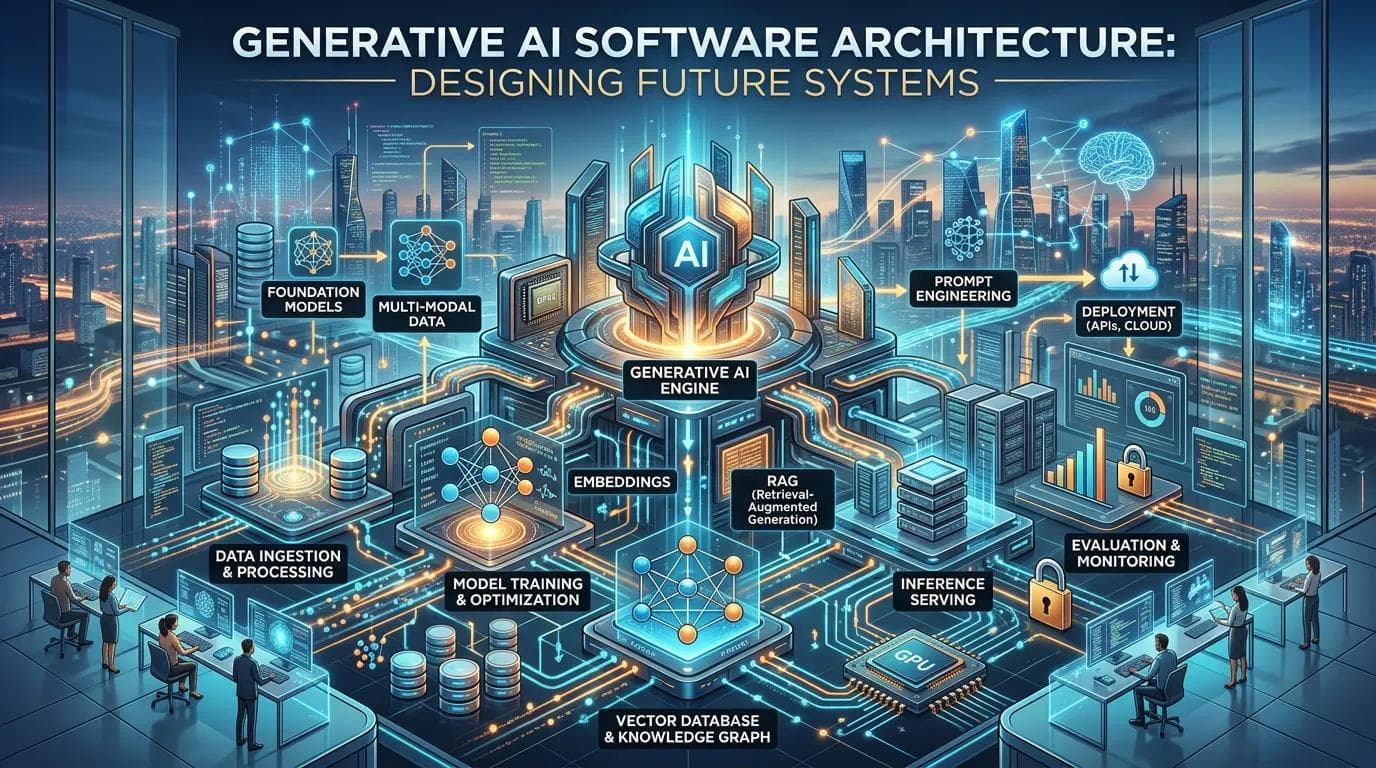
Generative AI software architecture is a design methodology that integrates large-scale machine learning models directly into the structural planning and execution layers of software development. It functions by utilizing algorithmic intelligence to suggest design patterns, automate component generation, and manage the orchestration of multi-agent workflows. Unlike traditional automation, this approach focuses on the machine's ability to reason about architectural constraints, scalability requirements, and security protocols to autonomously propose system modifications or optimizations.
At its core, this architecture serves as a cognitive layer that sits above the codebase, enabling developers to interact with the system through intent-based programming rather than exhaustive manual syntax. By leveraging context-aware models, the architecture ensures that the system evolves in alignment with defined enterprise goals, significantly reducing the cognitive load on human architects.
How Generative AI software architecture Works (Step-by-Step)
Implementing these frameworks requires a transition from static diagrams to dynamic, agentic workflows. Here is how the process typically functions:
- Requirement Intake: The system processes high-level business objectives, identifying necessary service boundaries and data dependencies.
- Pattern Suggestion and Selection: The AI evaluates existing library patterns against the specific requirements, recommending optimal architectural styles such as microservices, event-driven designs, or serverless models.
- Agentic Component Generation: Autonomous agents are deployed to write, test, and integrate specific functional components based on the established architecture.
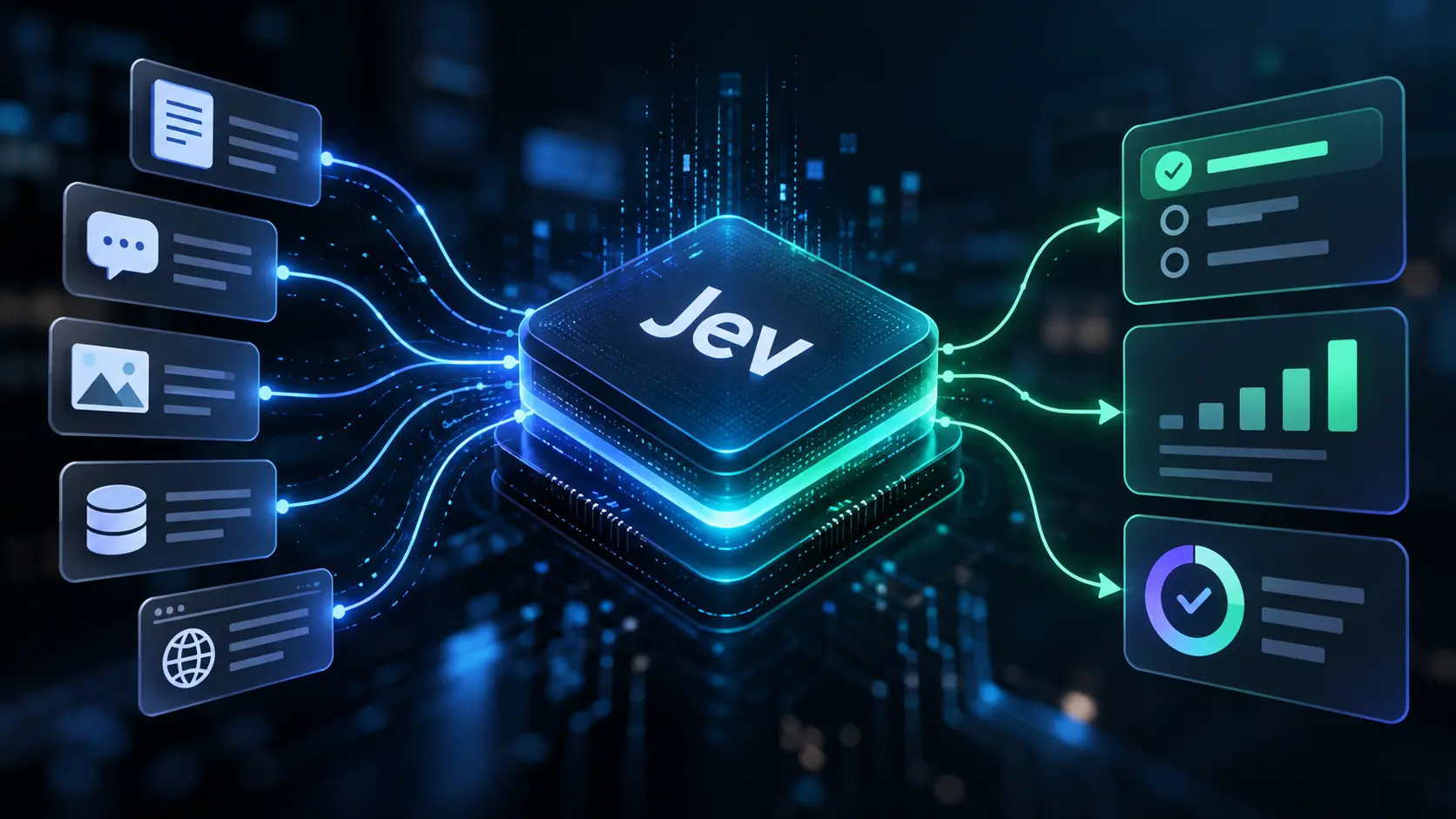
- AI Gateway Orchestration: Requests are routed through an AI Gateway that manages model versioning, rate limiting, and output validation, ensuring that all AI-generated code meets strict security compliance.
- Continuous Architectural Refinement: The system monitors performance metrics and suggests refactoring paths, effectively treating the architecture as a living, breathing entity.
Benefits of Generative AI software architecture
The adoption of intelligent design patterns offers substantial advantages over legacy manual-only methodologies. Key benefits include:
- Accelerated Time-to-Market: By automating the generation of boilerplate code and standard structural elements, teams can focus on high-value business logic.
- Consistent Design Standards: AI-driven systems enforce architectural best practices consistently across large, distributed teams, reducing technical debt.
- Enhanced Scalability: Systems can dynamically predict bottlenecks and suggest resource adjustments or structural changes before issues impact the user experience.
- Improved Developer Experience: By handling repetitive tasks, autonomous agents allow developers to act more as 'architects of ecosystems' rather than mere coders.
Real-World Examples of Generative AI software architecture
Practical applications are already appearing in high-scale enterprise environments. One prominent example involves the use of RAG (Retrieval-Augmented Generation) within a software design context. A large retail firm might utilize a RAG-enabled architectural assistant to scan thousands of pages of internal documentation and legacy codebases, allowing the AI to propose new microservices that perfectly integrate with existing protocols without creating conflicts.
Another example is the emergence of AI Gateways in financial services. These gateways act as an intermediary layer that logs, sanitizes, and evaluates all interactions between the application and underlying generative models. This ensures that any architectural decision or code suggestion made by an agent passes through a validation firewall, protecting the integrity of the core system against hallucinations or non-compliant design patterns.
GenAI Architectural Patterns vs Traditional Systems
Traditional software architecture is characterized by static documentation, monolithic or rigid microservice boundaries, and long-term planning cycles. In contrast, Generative AI software architecture embraces fluidity. Where a traditional architect might spend weeks finalizing a schema, an AI-native platform can iterate on multiple architectural candidates in minutes, validating them against performance simulations.
Furthermore, while traditional systems rely on static APIs, AI-native platforms are increasingly adopting agent-to-agent communication protocols. This allows systems to negotiate resource allocation and task distribution autonomously, a feat that would be nearly impossible to manage manually in highly distributed cloud environments.
Challenges or Risks of AI in software design
Despite the significant benefits, the integration of intelligence into architecture carries inherent risks. The primary concern is 'architectural hallucination,' where an agent suggests a design pattern that is technically sound but operationally inefficient or insecure.
Additionally, there is the risk of over-reliance on automated systems. Without a human architect to oversee the strategic direction, a system might prioritize local optimization—such as code-level speed—at the expense of global architectural health, leading to fragmented, unmaintainable design sprawl. Implementing robust governance, human-in-the-loop validation, and comprehensive testing frameworks is critical to mitigating these hazards.
Future of Generative AI software architecture
The trajectory of this field points toward the rise of fully autonomous software engineering ecosystems. In the near future, we will likely see the mainstream adoption of 'Architect-as-a-Service' models, where cloud-native environments automatically reorganize themselves based on real-time traffic, security threats, and cost constraints.
We are also moving toward the era of self-healing systems. These architectures will not only suggest improvements but will possess the agency to implement, test, and deploy architectural updates independently. This shift will redefine the role of the software architect from a blueprint creator to a steward of high-level system intent and ethical guardrails.
Key Takeaways
- Generative AI software architecture replaces rigid manual design with dynamic, agent-led frameworks.
- Success depends on the orchestration of collaborative AI agents using secure AI Gateways.
- RAG is essential for grounding design suggestions in enterprise-specific technical knowledge.
- Human oversight remains critical to prevent architectural drift and ensure alignment with long-term business goals.
- The shift moves the architect's role toward designing ecosystems rather than just writing individual components.
Frequently Asked Questions (FAQ)
How does Generative AI software architecture improve system security?
By integrating AI Gateways, organizations can implement real-time validation for all code generated by agents, ensuring that security policies are applied consistently before any deployment occurs.
Is autonomous AI agents development replacing software engineers?
Rather than replacing engineers, autonomous agents are shifting the focus from manual coding to higher-level design, orchestrating complex workflows, and overseeing systemic integrity.
What are GenAI architectural patterns?
These are emerging structures that prioritize modularity and agentic interactions, allowing systems to dynamically adjust to changing data and performance requirements without manual intervention.
Why is RAG important for AI in software design?
Retrieval-Augmented Generation allows AI systems to access and synthesize information from a company’s proprietary documentation, ensuring that design recommendations are contextually relevant to the specific infrastructure.
How do I get started with AI-native platforms?
Begin by identifying low-risk, repetitive architectural tasks that can be automated, then implement a gateway to monitor the AI's outputs while gradually expanding its decision-making authority.
In conclusion, Generative AI software architecture is not merely a trend; it is the inevitable next step in the evolution of digital engineering. By embracing autonomous AI agents development and robust architectural guardrails, organizations can unlock unprecedented levels of agility and innovation. As we look toward the future of software architecture AI, the ability to balance autonomous machine efficiency with strategic human vision will define the industry leaders of the coming decade.
About the Author

Suraj - Writer Dock
Suraj Kumar is a writer, entrepreneur, and the CEO and founder of this website, sharing simple and practical insights on business, creativity, and personal growth. With experience building digital projects, they enjoy helping others learn, grow, and succeed online.