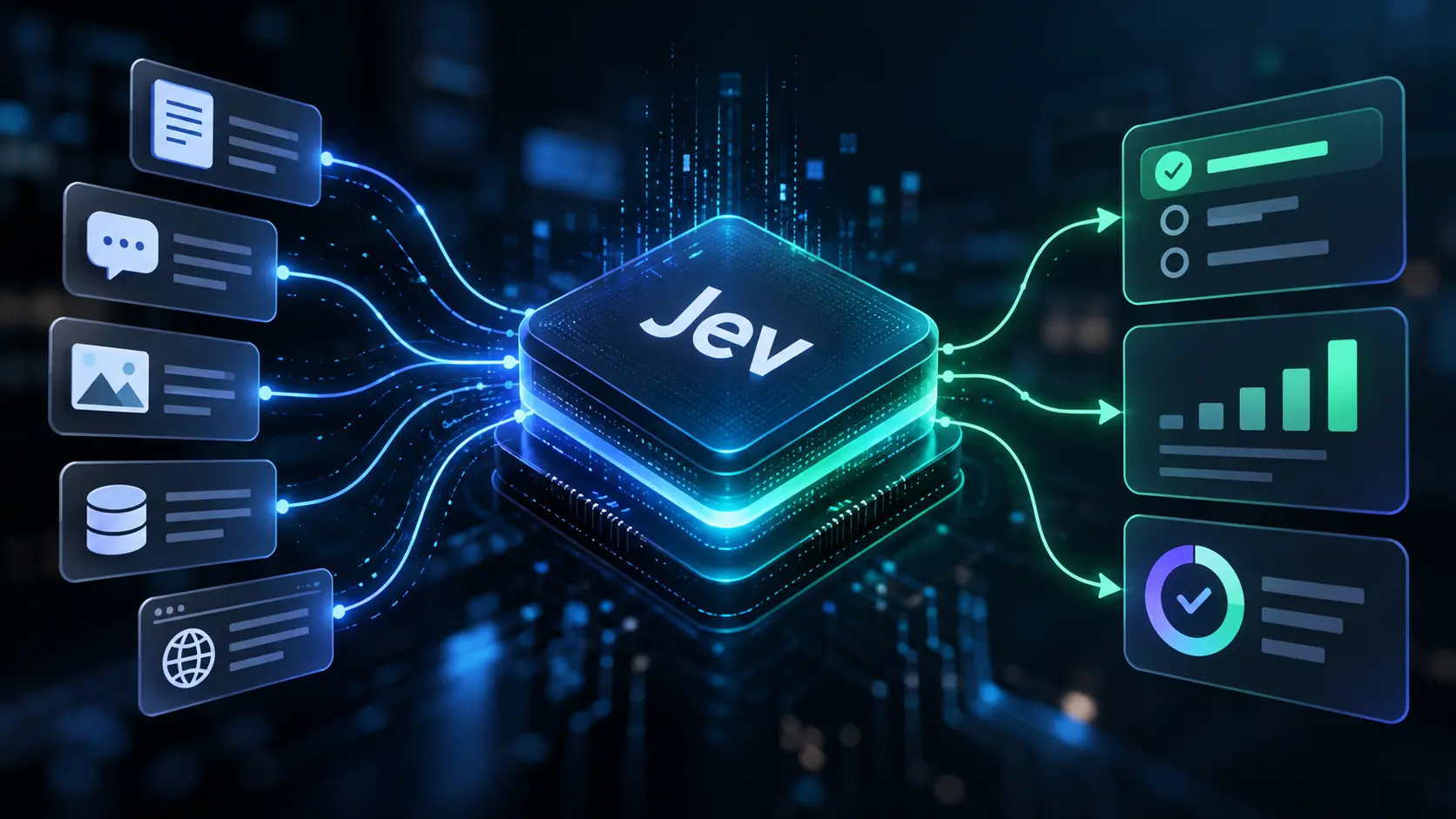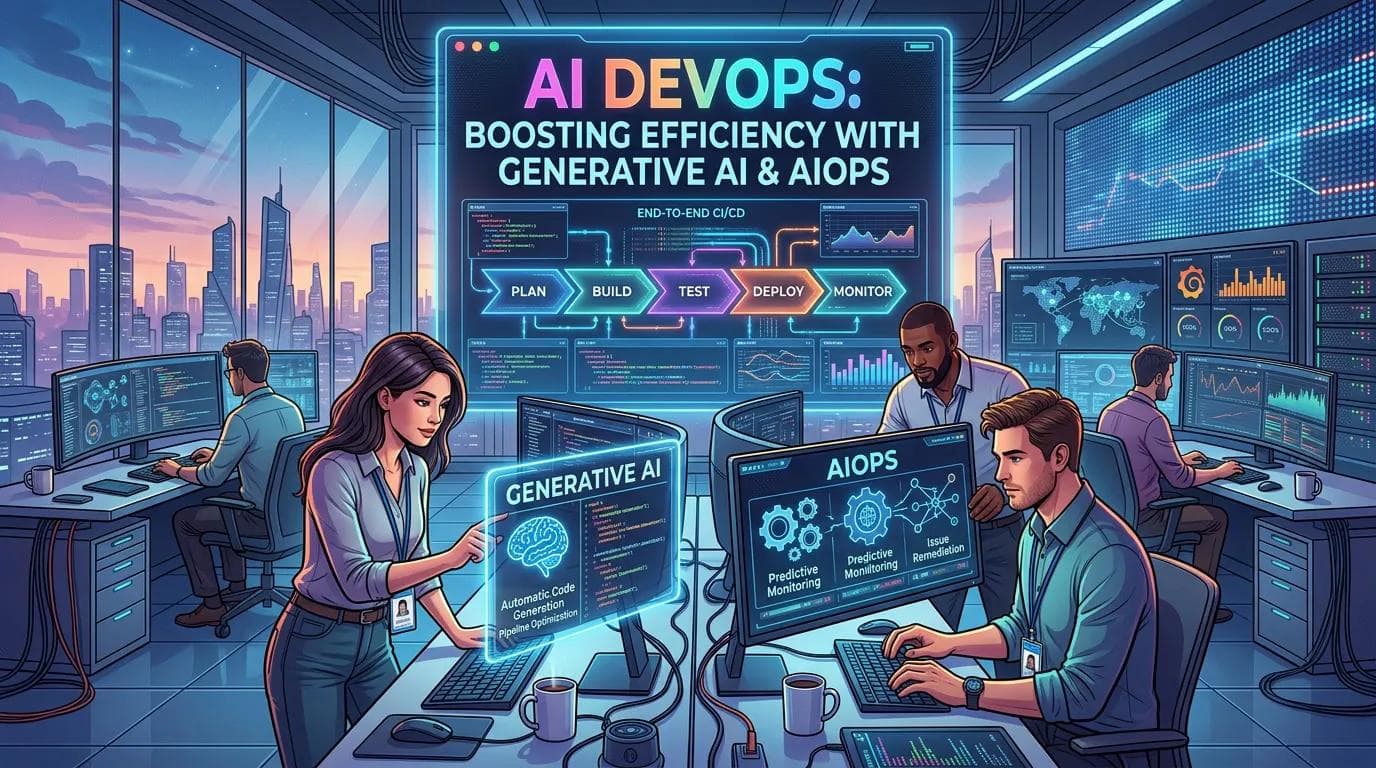
The rapid evolution of software development cycles has made AI DevOps an essential strategic evolution for organizations struggling to balance speed with system stability. By integrating intelligent algorithms into the delivery pipeline, engineering teams can now move beyond manual intervention, moving toward a future of self-healing systems and accelerated release velocities. This article explores how modern enterprises are leveraging these technologies to bridge the gap between development and operations.
What is AI DevOps?
AI DevOps represents the convergence of software development, IT operations, and machine learning to automate and optimize the entire software development lifecycle (SDLC). It encompasses the application of AIOps—which focuses on operational data—and Generative AI to streamline coding, testing, and incident response.
At its core, it is the practice of using data-driven intelligence to predict failures, automate repetitive manual tasks, and generate high-quality code or configuration scripts. By implementing these advanced models, organizations can reduce the cognitive load on DevOps engineers and ensure that CI/CD pipelines function with higher reliability and less downtime.
How AI DevOps Works (Step-by-Step)
Implementing intelligence into your delivery chain requires a structured approach to data collection and model training. Here is how the process works in a modern ecosystem:
- Data Ingestion: The system collects telemetry, logs, and performance metrics from across the infrastructure and CI/CD pipelines.
- Pattern Recognition: Algorithms analyze historical performance data to establish baselines for normal system behavior.
- Predictive Modeling: Using these baselines, the system identifies anomalies before they escalate into full-scale incidents.
- Autonomous Action: Based on predefined policies, the AI triggers automated remediations, such as scaling resources or rolling back failing deployments.
- Continuous Learning: Every incident resolution feeds back into the model, refining its accuracy and reducing the time-to-resolve for future occurrences.
Benefits of AI DevOps
Transitioning to an AI-augmented workflow provides measurable improvements in productivity and system health. The primary advantages include:
- Enhanced Velocity: Automating mundane tasks allows developers to focus on feature innovation rather than environment maintenance.
- Proactive Incident Management: By shifting from reactive to predictive monitoring, teams can fix issues before end-users are even aware of a problem.
- Cost Optimization: Intelligent resource management ensures that cloud infrastructure is only used when necessary, reducing overhead.
- Improved Code Quality: Through real-time feedback and intelligent analysis, software bugs are caught earlier in the development cycle.
- Knowledge Retention: AI models retain institutional knowledge, reducing the impact of team turnover on system stability.
Real-World Examples of AI DevOps
To understand the practical application of these technologies, consider how they function in high-demand environments:
Intelligent Incident Management
In a large-scale cloud environment, AIOps platforms monitor thousands of microservices. If a latency spike occurs, the system automatically correlates logs from disparate services, identifies the root cause (such as a misconfigured database connection), and suggests or executes a configuration change to resolve it.
AI Code Generation in CI/CD
Developers now utilize tools that suggest code blocks or entire boilerplate functions within the integrated development environment (IDE). This drastically reduces the time required to write unit tests or infrastructure-as-code scripts, ensuring consistency across different teams.
Autonomous Testing
Rather than manual regression testing, autonomous testing frameworks create test scenarios dynamically based on recent code changes. This ensures that the most critical paths of an application are always validated without requiring an engineer to write new test cases for every update.
AI DevOps vs Traditional Systems
Traditional DevOps models rely heavily on manual thresholds—such as setting a static alert for when CPU usage hits 80%. These systems are often overwhelmed by 'alert fatigue' and are incapable of handling the complexity of modern distributed systems.
In contrast, AI-driven systems utilize dynamic baselining. Instead of a hard limit, the system understands the context of the workload. It knows that 80% usage might be normal during a peak sales period but indicative of a memory leak during off-peak hours. This context-awareness is the primary differentiator between legacy monitoring and modern, AI-supported pipelines.
Challenges and Risks
While the advantages are clear, organizations must navigate specific hurdles:
- Data Quality: If the training data is noisy or incomplete, the predictive model will likely produce unreliable results.
- Skill Gaps: Teams require new expertise to manage, fine-tune, and audit the AI models being integrated into the pipeline.
- Over-Automation: Trusting a machine to execute automated rollbacks requires a high level of maturity; without strict guardrails, the AI could inadvertently cause an outage by acting on incorrect data.
- Security Concerns: Integrating third-party models into code generation pipelines requires rigorous checks to ensure no vulnerabilities or insecure code patterns are being introduced.
The Future of AI DevOps
Looking ahead, the industry is moving toward fully autonomous "no-touch" operations. As models become more sophisticated, we can expect to see AI systems that can not only fix bugs but also suggest architectural refactoring to optimize application performance continuously. The integration of Generative AI will likely become even deeper, potentially handling documentation and compliance audits automatically as code is pushed to production.
Organizations that prioritize the adoption of these technologies will likely outpace competitors by maintaining a leaner, faster, and more resilient software delivery engine.
Key Takeaways
- AI DevOps integrates machine learning to automate, predict, and optimize the software delivery lifecycle.
- Predictive monitoring is replacing reactive alerting, allowing teams to resolve issues before they impact users.
- Autonomous testing and AI code generation significantly reduce the manual burden on software engineers.
- Success requires clean data, proper guardrails, and a willingness to upskill existing DevOps teams.
- The future lies in self-healing infrastructure that continuously evolves based on operational performance.
Frequently Asked Questions
Is AI DevOps the same as AIOps?
AIOps specifically refers to applying AI to IT operations (monitoring and incident management). AI DevOps is a broader term that includes AIOps but also covers the use of AI in software development, testing, and CI/CD pipelines.
How does AI improve CI/CD pipelines?
It improves CI/CD by automating testing, predicting deployment failures, optimizing build times, and providing intelligent feedback to developers, which results in faster and more stable software releases.
Will AI replace DevOps engineers?
AI will not replace DevOps engineers; rather, it will change their roles. Engineers will spend less time on manual configuration and firefighting, and more time on high-level architecture, AI oversight, and strategic process improvement.
What is the biggest challenge in adopting AI DevOps?
The biggest challenge is often data quality and organizational culture. AI is only as good as the data it is trained on, and teams must be willing to shift their mindset from manual control to trust in intelligent automation.
How do I get started with AI DevOps?
Start small by identifying the most repetitive, time-consuming tasks in your current pipeline. Implement an AIOps tool for log analysis or start using an AI assistant for code documentation before moving to more complex automated remediation workflows.
In summary, the transition toward an AI-integrated pipeline is no longer optional for companies aiming for market leadership. By embracing AI DevOps, teams can unlock a new level of operational maturity that enables them to deliver high-quality software with unprecedented consistency and speed.
About the Author

Suraj - Writer Dock
Suraj Kumar is a writer, entrepreneur, and the CEO and founder of this website, sharing simple and practical insights on business, creativity, and personal growth. With experience building digital projects, they enjoy helping others learn, grow, and succeed online.