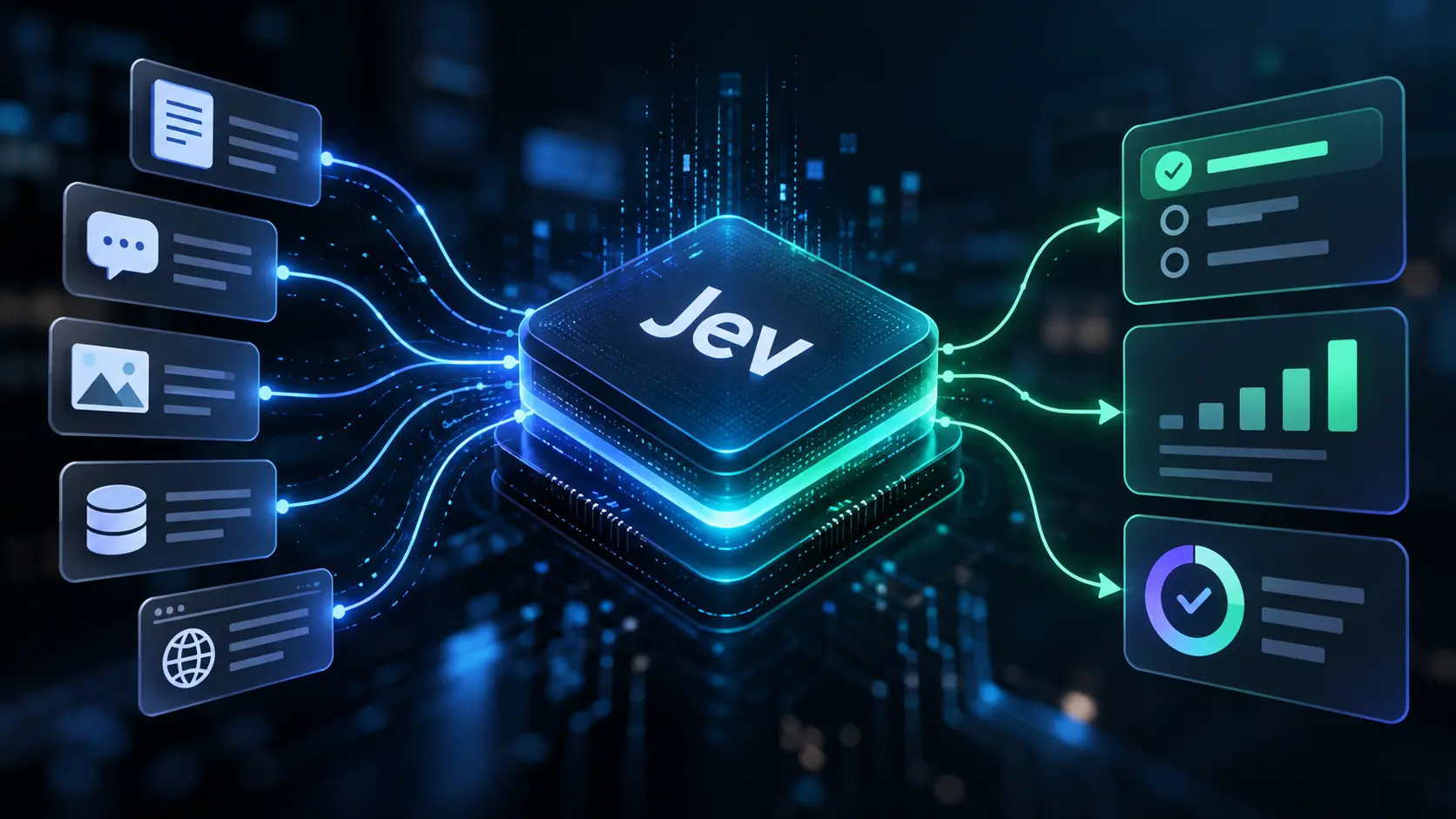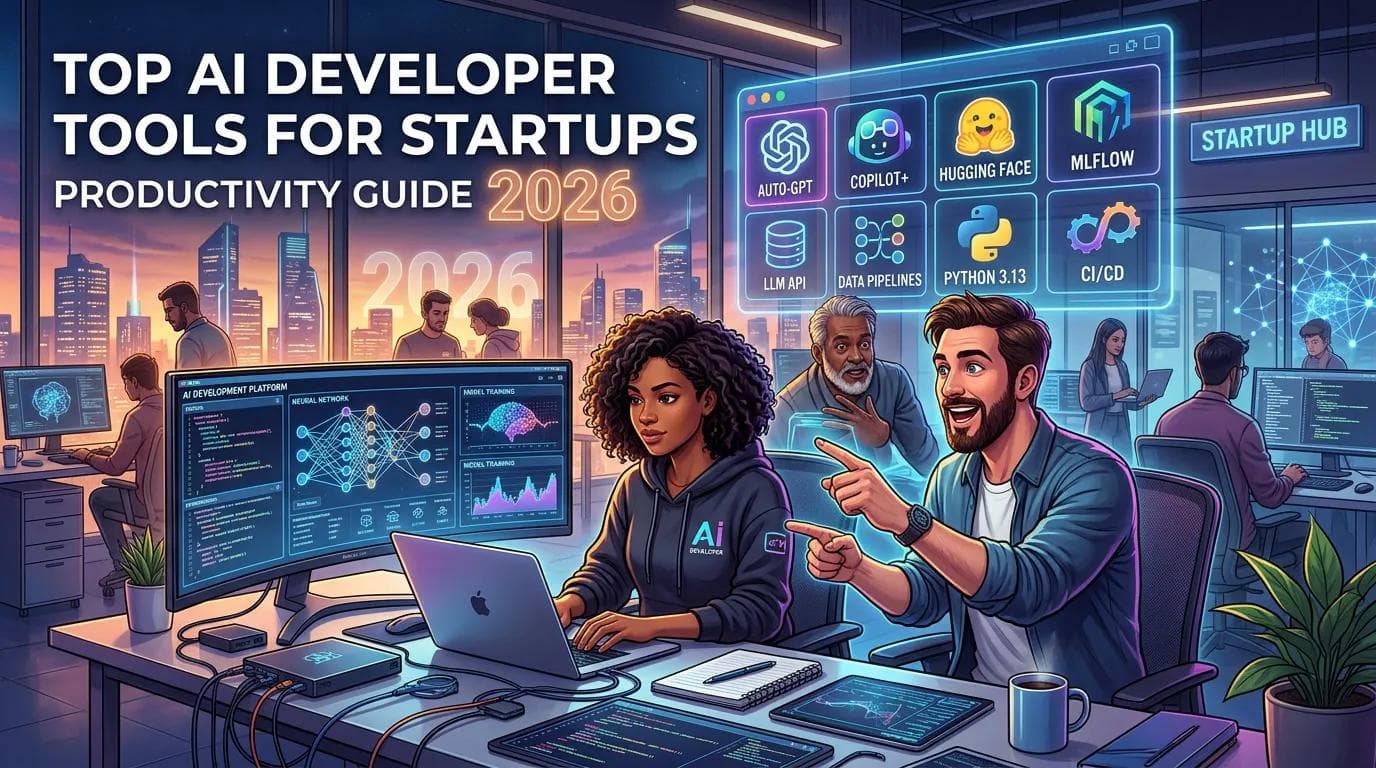
In the fast-paced world of startups, adopting the right AI developer tools has transitioned from a competitive advantage to an operational necessity. By integrating intelligent automation into the software development lifecycle, engineering teams can now move from idea to deployment with unprecedented velocity, fundamentally changing how we approach complex coding challenges.
This article provides a comprehensive look at how these technologies are reshaping technical workflows, focusing on actionable strategies for startups looking to maximize their engineering output while maintaining high standards of code integrity.
What are AI Developer Tools?
AI developer tools are sophisticated software platforms and plugins that utilize machine learning models to assist engineers with coding, testing, debugging, and project management. These tools act as force multipliers, automating repetitive tasks, predicting potential bugs, and suggesting code structures based on vast repositories of existing software patterns.
At their core, these solutions serve as a bridge between high-level logic and implementation, allowing developers to focus on architectural decisions rather than syntax boilerplate. Whether it is an AI code assistant suggesting functions in real-time or an intelligent system monitoring technical debt, these tools are central to modern, high-growth engineering environments.
How AI Developer Tools Work (Step-by-Step)
Understanding the mechanics of AI in software development helps teams integrate them effectively into existing CI/CD pipelines. Here is the typical operational flow:
- Context Acquisition: The tool analyzes the existing codebase, documentation, and current project scope to build a deep understanding of the project's logic and style conventions.
- Pattern Recognition: Using sophisticated models, the system evaluates the developer’s input or existing code snippets against millions of open-source patterns to identify the most efficient implementation paths.
- Proactive Assistance: The AI provides real-time suggestions, such as auto-completing complex functions, writing unit tests, or identifying potential vulnerabilities during the commit process.
- Iterative Refinement: As the developer accepts or rejects suggestions, the system learns the team's specific coding style, leading to more accurate and personalized support over time.
- Automated Validation: Finally, the system runs intelligent checks to ensure that the newly generated code adheres to security standards and performance requirements before it reaches the production environment.
Benefits of AI Developer Tools for Startups
For startups operating with limited headcount and aggressive timelines, the benefits of leveraging developer productivity AI are substantial:
- Accelerated Time-to-Market: By automating boilerplate code, teams can shorten feature development cycles by weeks or even months.
- Enhanced Code Quality: AI-powered linting and logic analysis tools catch edge-case bugs that human eyes might miss during a hectic sprint.
- Reduced Technical Debt: Consistent, automated code reviews ensure that new contributions align with architectural standards, preventing the accumulation of messy, unmaintainable code.
- Onboarding Efficiency: New engineers can ramp up faster as these tools provide guardrails and contextual guidance, reducing the reliance on constant manual mentoring.
- Operational Scalability: Startups can achieve more with smaller teams, allowing them to remain lean while competing with larger, more established organizations.
Real-World Examples of AI Developer Tools
To better understand the ecosystem, consider these practical applications that startups use today:
AI Code Assistants
Tools like GitHub Copilot represent the primary interface for developers. They function as a pair programmer, filling in functions, generating unit tests, and helping rewrite legacy modules. Startups use these to minimize the "blank screen" problem, allowing developers to jump straight into complex problem-solving.
Automated AI Code Review
Platforms that integrate directly into Pull Requests (PRs) use AI to scan for security vulnerabilities, performance regressions, and style inconsistencies. Instead of waiting for a senior developer to find time to review a PR, the tool provides immediate feedback, allowing for faster iteration cycles.
Intelligent Documentation and Knowledge Management
Startups often struggle with "knowledge silos." AI tools can ingest internal Wikis, Slack conversations, and documentation to create an intelligent search interface. This allows developers to query internal processes as easily as they query a search engine.
AI Developer Tools vs Traditional Systems
Traditional development relied on manual syntax checks, human-led peer reviews, and standard static analysis tools. While these methods are robust, they are often slow and prone to human fatigue.
AI-powered systems differ by being predictive rather than purely reactive. Traditional linters only flag syntax errors or predefined rule violations; AI tools understand the intent behind the code. They can suggest a better architectural pattern or warn about a security risk that wasn't previously defined in a ruleset, representing a paradigm shift from passive checking to active collaboration.
Challenges and Risks in Implementation
While the upside is high, startups must navigate specific challenges to successfully implement these tools:
- Security and Data Privacy: When using cloud-based coding assistants, startups must ensure that proprietary code is not being used to train third-party models in a way that exposes trade secrets.
- Over-reliance and Skill Erosion: There is a risk that junior developers may become overly dependent on suggestions, potentially failing to understand the underlying logic of the code they are pushing to production.
- Integration Friction: Introducing new AI tools requires careful management of the existing CI/CD workflow. If not implemented correctly, they can create more noise and false positives than they resolve.
The Future of AI in Software Development
Looking toward 2026 and beyond, we expect a shift toward "agentic" development workflows. Rather than just suggesting code, these systems will likely act as autonomous agents capable of completing entire Jira tickets, from research to deployment and monitoring.
As the industry matures, the focus will move away from simple code completion toward system-wide intelligence. AI will manage infrastructure, optimize cloud spend, and proactively refactor codebases to adapt to new performance benchmarks, making the developer's role increasingly focused on high-level system design and product strategy.
Key Takeaways
- AI developer tools are essential for startups to maintain speed and quality in 2026.
- Implementing these tools allows teams to reduce technical debt and accelerate feature delivery.
- The shift from passive static analysis to proactive AI-driven assistance is changing the developer lifecycle.
- Security and developer training are the biggest hurdles when scaling these technologies within a team.
Frequently Asked Questions (FAQ)
Can AI developer tools replace human engineers?
No, they are designed to augment human capability. While AI excels at repetitive tasks and syntax, human engineers are still required for complex architectural decisions, business logic, and creative problem-solving.
Are these tools safe for private startup codebases?
Many enterprise-grade AI developer tools now offer private instances or data-retention guarantees that ensure your proprietary code is not used to train public models.
How do I choose the right AI tool for my startup?
Start by identifying your biggest bottleneck—whether it's code review time, testing coverage, or onboarding speed—and choose a tool that directly addresses that specific friction point.
What is the primary advantage of AI in software development for small teams?
The primary advantage is the ability to operate at the scale of a larger enterprise, utilizing automated review and testing to maintain high quality without needing a massive dedicated DevOps team.
Conclusion
The integration of AI developer tools into the startup ecosystem is not merely a temporary trend; it is the new standard for efficient software engineering. By embracing these technologies, startups can focus on innovation and market disruption rather than manual, repetitive coding tasks. As we move further into 2026, those who master these AI-driven workflows will undoubtedly lead their respective industries, setting the pace for how high-quality software is built, shipped, and maintained.
About the Author

Suraj - Writer Dock
Suraj Kumar is a writer, entrepreneur, and the CEO and founder of this website, sharing simple and practical insights on business, creativity, and personal growth. With experience building digital projects, they enjoy helping others learn, grow, and succeed online.