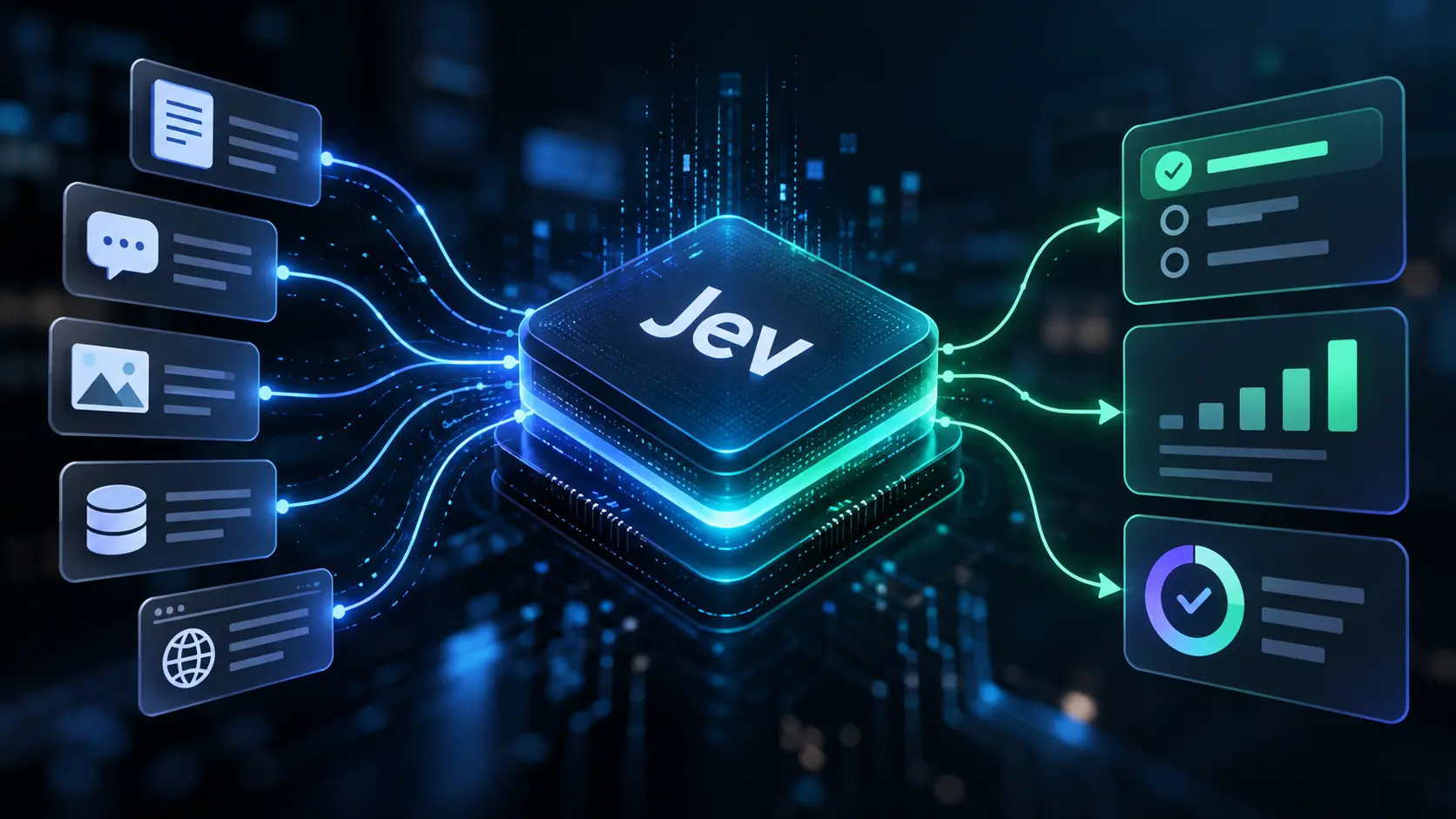
The rapid emergence of agentic AI startups is fundamentally altering the landscape of digital transformation and enterprise efficiency. By transitioning from passive tools that merely suggest outcomes to active systems capable of executing multi-step tasks, these innovative ventures are tackling the most complex bottlenecks in modern business operations. This article explores how these autonomous systems function, why they are essential for future-proofing organizational workflows, and the impact they are having on the global cybersecurity and software sectors.
What is Agentic AI?
Agentic AI refers to autonomous systems designed to perceive their environment, reason through complex goals, and execute a series of independent actions to achieve specific outcomes. Unlike traditional software that requires human input for every step, these agents operate with a high degree of agency, managing planning, tool selection, and error correction autonomously.
At its core, agentic AI serves as a bridge between high-level intent and granular execution. By leveraging advanced reasoning models, these systems can navigate software interfaces, query databases, and integrate cross-platform communication to complete workflows that previously required entire teams of human operators. They represent a significant shift from simple conversational interfaces toward functional, goal-oriented partners within the enterprise.
How Agentic AI Works (Step-by-Step)
To understand the efficacy of agentic AI startups, one must look at the technical architecture that allows these systems to function without constant supervision. The process generally follows a logical flow of cognition and action:
- Intent Interpretation: The system receives a high-level goal, such as "identify and patch a vulnerability in the production environment," and breaks it down into actionable sub-tasks.
- Strategy Formulation: The agent evaluates the available tools, APIs, and data sources required to complete the mission, prioritizing speed and security.
- Execution and Navigation: Using specialized controllers, the agent navigates software interfaces or executes code scripts, moving through systems just as a human operator would.
- Continuous Feedback Loop: During execution, the agent monitors for errors or blockers. If an issue arises, the system self-corrects, adjusts the strategy, and re-attempts the task.
- Completion and Reporting: Once the goal is achieved, the agent compiles a detailed audit trail of its actions, ensuring transparency and compliance for human oversight.
Benefits of Agentic AI Startups
The adoption of autonomous agents is not merely a trend; it is a response to the growing complexity of digital infrastructure. Organizations that integrate these technologies early gain distinct operational advantages.
- Scalability: Unlike manual workflows, agentic systems can be replicated across hundreds of endpoints simultaneously without increasing headcount.
- Reduction in Latency: By removing the human-in-the-loop requirement for routine maintenance and decision-making, startups can execute complex tasks in near real-time.
- Cross-Platform Orchestration: Agentic platforms excel at integrating legacy systems with modern cloud infrastructure, breaking down data silos.
- Enhanced Resilience: In fields like AI cybersecurity, agents can identify threats and initiate containment protocols faster than any human analyst, effectively minimizing potential damage.
Real-World Examples of Agentic AI Startups
The industry is currently witnessing a surge in specialized agentic platforms that solve critical pain points. A primary example is the field of AI cybersecurity, where companies like Geordie AI have set new standards. By winning awards for innovation at major security conferences, these firms demonstrate that autonomous systems can handle the heavy lifting of threat detection and incident response.
Another significant application is found in enterprise AI agents designed for supply chain management. These agents monitor global shipping data, cross-reference inventory levels, and automatically adjust procurement orders when a potential delay is detected. By acting on behalf of the operations team, these agents reduce overhead and prevent costly stock-outs.
Agentic AI vs Traditional Systems
To appreciate the impact of this shift, consider the limitations of traditional automation. Conventional automation is rigid; it follows "if-this-then-that" logic that breaks the moment a variable changes. If a user interface updates or a file path changes, a traditional script fails.
Agentic AI, conversely, is probabilistic and adaptable. It understands the intent of the interface. If a button moves or a navigation menu changes, the agent recognizes the new environment and adapts its behavior to achieve the desired outcome. This flexibility makes them essential for dynamic, fast-paced enterprise environments where software ecosystems are constantly evolving.
Challenges or Risks
Despite the clear advantages, the deployment of autonomous systems brings new responsibilities. The primary risk is the "black box" nature of agentic decision-making. If an agent performs an action that causes data loss or security issues, the organization must have robust audit logging in place to trace the logic of the failure.
Furthermore, security professionals emphasize the need for "guardrails." Agentic AI must operate within defined policy frameworks to ensure that autonomous actions do not inadvertently violate corporate governance or regulatory requirements. Building trust through explainability is currently one of the biggest hurdles for companies in this space.
Future of Agentic AI
The future of agentic AI startups lies in collaborative intelligence. We are moving toward a paradigm where autonomous agents act as teammates rather than just tools. Imagine a marketing department where generative AI agents manage the campaign budget, analyze performance metrics in real-time, and shift spend across channels autonomously.
As these systems mature, we will likely see a move toward multi-agent coordination, where different agents with specialized roles communicate to solve complex, company-wide objectives. The startups that thrive will be those that prioritize security, transparency, and seamless integration into existing human workflows.
Key Takeaways
- Agentic AI represents a transition from passive tools to active, decision-making systems.
- These systems operate through multi-step reasoning, execution, and real-time self-correction.
- Key sectors benefiting from this shift include AI cybersecurity, enterprise operations, and supply chain management.
- Future adoption will depend on balancing high levels of autonomy with rigorous safety guardrails and auditability.
Frequently Asked Questions (FAQ)
What differentiates agentic AI from standard automation? Standard automation follows rigid, pre-defined paths. Agentic AI understands high-level goals and dynamically adapts its strategy to achieve them, even if the environment changes.
Are agentic AI startups secure for enterprise use? Yes, when implemented with proper oversight and policy-based guardrails, these systems provide higher security than human-operated workflows by eliminating fatigue and providing detailed logs of every action.
How does AI cybersecurity benefit from agentic agents? Agents can monitor networks, identify anomalies, and execute containment protocols autonomously, allowing security teams to respond to breaches in seconds rather than hours.
Do I need specialized hardware to run autonomous agents? Most agentic AI solutions are cloud-native and integrate via API with your existing software stack, meaning they do not require custom hardware infrastructure to operate.
Conclusion
The rise of agentic AI startups marks a pivot point in the evolution of software. By delegating complex, multi-step workflows to autonomous systems, organizations can achieve unprecedented levels of efficiency and agility. Whether it is through the lens of AI cybersecurity or broad-scale enterprise AI agents, the capability to automate intent rather than just tasks is unlocking new categories of value. As these startups continue to innovate, the enterprises that adopt these autonomous frameworks will likely define the new standard for productivity in the coming decade.
About the Author

Suraj - Writer Dock
Suraj Kumar is a writer, entrepreneur, and the CEO and founder of this website, sharing simple and practical insights on business, creativity, and personal growth. With experience building digital projects, they enjoy helping others learn, grow, and succeed online.