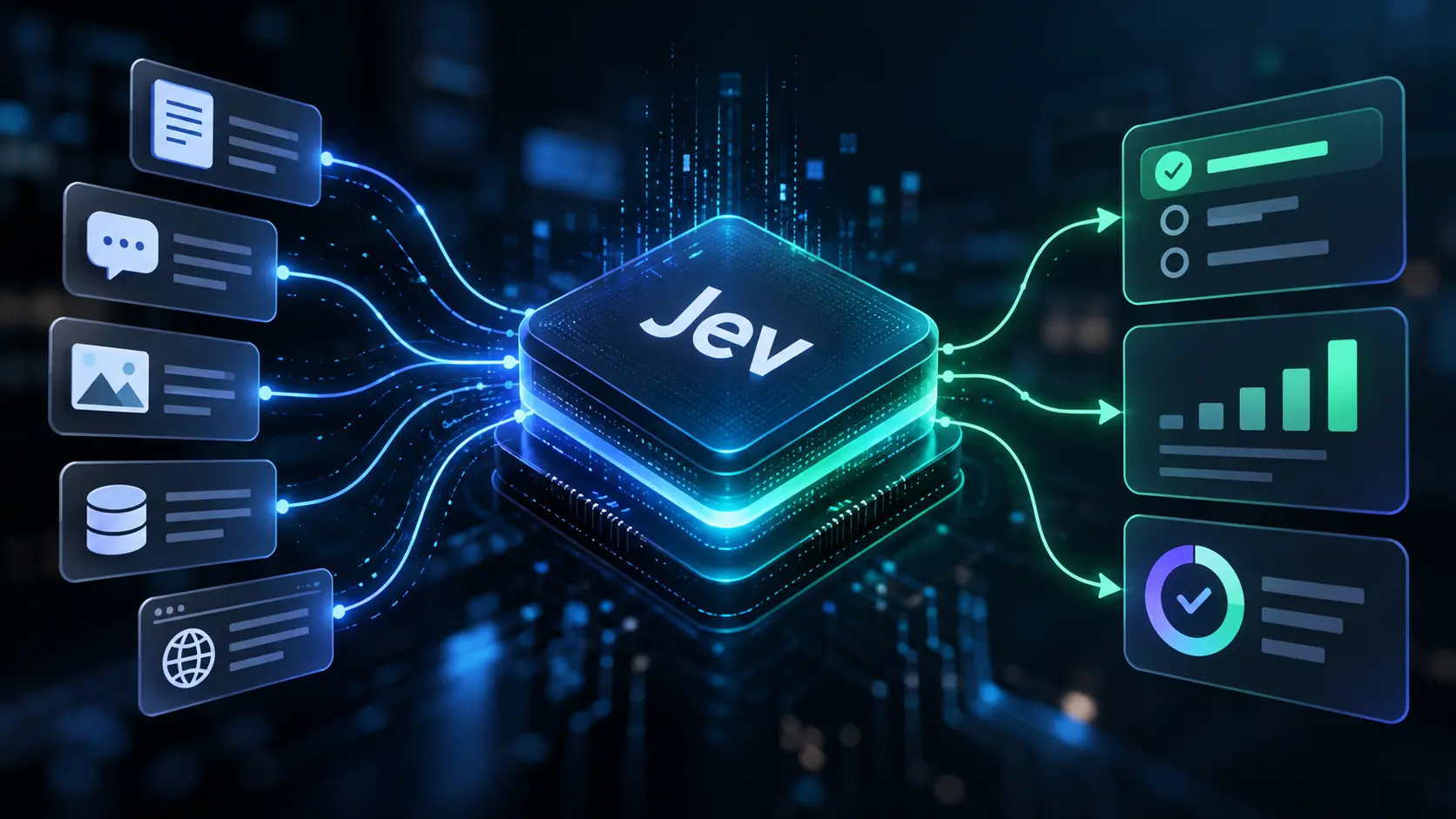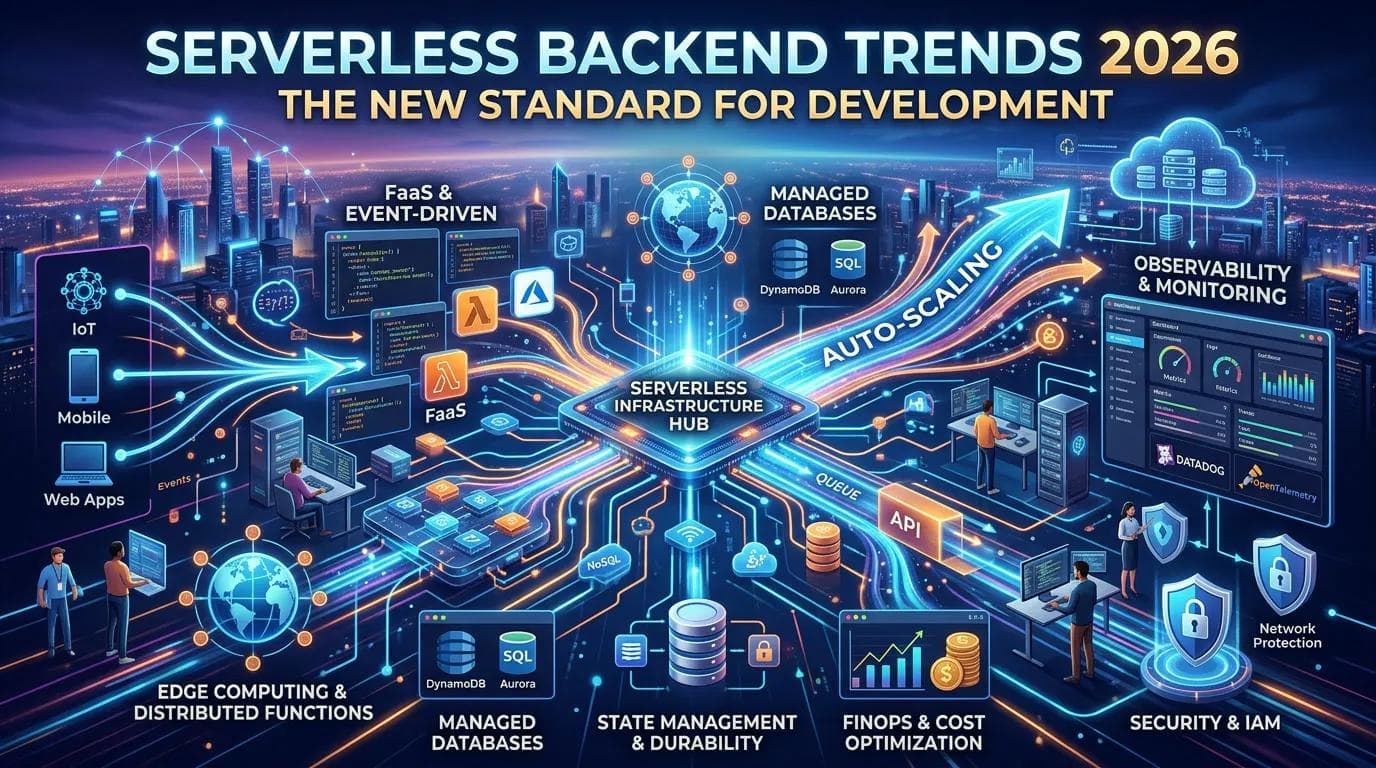
Understanding serverless backend trends 2026 is no longer optional for teams aiming to ship faster and reduce operational overhead. As the industry shifts toward radical infrastructure abstraction, developers are moving away from manual server provisioning in favor of managed environments that handle scaling, security, and maintenance automatically. This article explores why the combination of serverless computing and Backend as a Service (BaaS) platforms has become the default foundation for high-performance, cloud-native applications in the modern development lifecycle.
What is serverless backend trends 2026?
Serverless backend trends 2026 refer to the industry-wide transition toward event-driven architectures where infrastructure is managed by cloud providers, allowing developers to deploy code without managing physical or virtual servers. By leveraging BaaS platforms and function-as-a-service (FaaS) models, teams can focus exclusively on writing business logic while the provider handles the underlying execution environment.
At its core, this approach treats the backend as a collection of modular services that only consume resources when active. This shift is characterized by:
- Pay-per-use pricing models that eliminate idle costs.
- Automatic, horizontal scaling based on real-time traffic.
- Native integration with managed databases and authentication services.
- High abstraction levels that prioritize developer velocity over system administration.
How serverless backend trends 2026 Works
Implementing these trends requires a shift in how code is architected. Unlike traditional monolithic deployments, serverless systems rely on granular, discrete units of logic that respond to triggers.
- Event Triggering: An action, such as a user HTTP request or a database change, triggers the backend function.
- Container Provisioning: The cloud provider instantly spins up or assigns a container to run the specific piece of code.
- Managed Execution: The logic runs within a highly secure, isolated environment without requiring the developer to patch operating systems or manage runtimes.
- Resource Deallocation: Once the task is complete, the resources are released back to the provider, effectively turning off the 'server' cost until the next trigger occurs.
- State Management: The application relies on external BaaS databases (like Supabase or Xano) to store data, ensuring the backend logic remains stateless and highly portable.
Benefits of serverless backend trends 2026
The primary driver behind the surge in BaaS adoption is the tangible increase in developer productivity. When the burden of infrastructure management is removed, engineering teams report significant improvements in shipping cycles.
- Cost-Efficient Backend Operations: Since you only pay for the exact compute duration, small startups and large enterprises alike avoid paying for idle server time. This is a critical advantage for spiky workloads.
- Scalability Without Intervention: Infrastructure abstraction allows applications to handle sudden traffic spikes without a developer needing to manually configure load balancers or horizontal scaling rules.
- Reduced Time-to-Market: By utilizing pre-built API layers and authentication modules found in modern BaaS providers, teams can build a MVP in days rather than weeks.
- Focus on Business Value: Developers spend time solving unique user problems rather than debugging server configurations or networking issues.
Real-World Examples of serverless backend trends 2026
Modern applications rely heavily on these patterns to maintain agility. For example, a fintech mobile app might use AWS Lambda to process transaction events in real-time. The function triggers only when a user initiates a transfer, ensuring the system remains responsive and cost-effective.
In the content management space, platforms are leveraging Supabase to provide real-time database capabilities without managing PostgreSQL clusters. Similarly, developers building internal tools often turn to Xano BaaS because it provides a no-code/low-code API builder that integrates directly with front-end frameworks. These tools demonstrate that the backend is no longer a monolith, but a managed foundation built on modular, event-driven components.
Comparing Modern Cloud-Native Architectures
The shift in backend paradigms forces a comparison between traditional systems and modern cloud-native stacks. Traditional setups require persistent server management, meaning constant security patching and manual capacity planning. In contrast, cloud-native backends are inherently elastic.
When evaluating choices like Supabase vs Firebase, the decision usually rests on data architecture preferences. Firebase offers a document-oriented, NoSQL structure that is excellent for real-time synchronization, while Supabase focuses on providing a managed PostgreSQL experience, which is preferred by developers needing robust relational integrity. Both represent the broader move toward Backend as a Service platforms that hide the complexity of database administration while maintaining enterprise-grade performance.
Challenges and Risks in the Serverless Landscape
While the shift is largely positive, it does introduce specific architectural risks. 'Cold starts' in FaaS—the latency observed when a function is triggered after a period of inactivity—can affect user experience in performance-sensitive applications. Furthermore, vendor lock-in remains a legitimate concern; relying too heavily on proprietary BaaS features can make migrating to another provider complex.
Strategies to mitigate these risks include utilizing framework-agnostic wrappers and focusing on standardizing API contracts, ensuring that the business logic can be ported even if the underlying infrastructure service changes.
The Future of Backend Development
As we look toward 2026, we expect to see even tighter integration between AI-assisted development and serverless backends. We will likely see self-healing architectures where infrastructure scales not just based on traffic, but based on predictive analytics of user behavior. Furthermore, the barrier between 'backend' and 'frontend' will continue to blur, as edge computing allows logic to run closer to the user, effectively making the backend invisible.
Key Takeaways
- Serverless and BaaS are no longer experimental; they are the new industry standard for high-growth applications.
- Infrastructure abstraction significantly lowers operational costs by eliminating idle server resources.
- Developer productivity is maximized when teams stop managing infrastructure and start focusing on feature delivery.
- Choosing the right BaaS platform depends on your specific data structure needs (e.g., PostgreSQL vs NoSQL).
- Future backend trends will focus on edge-first execution and predictive, self-scaling systems.
Frequently Asked Questions
Is serverless backend trends 2026 suitable for large enterprises?
Yes, enterprises are increasingly adopting these trends to reduce operational overhead, improve security posture through automated patching, and scale efficiently during peak traffic.
Does serverless mean there are no servers?
No, it means the developer is abstracted from the server. The cloud provider manages the server, operating system, and runtime, allowing the developer to treat the infrastructure as a commodity.
Why is BaaS adoption growing so quickly?
BaaS platforms provide unified access to databases, authentication, and file storage, drastically reducing the time required to build a standard application backend.
How do I avoid vendor lock-in with BaaS?
Use open-source BaaS alternatives where possible and maintain clean abstraction layers between your business logic and the provider-specific APIs.
Conclusion
The move toward serverless backend trends 2026 marks a turning point in how we define software architecture. By embracing infrastructure abstraction, developers can build more resilient, cost-efficient, and scalable systems than ever before. Whether you are a startup founder or a lead architect at a large company, the transition to managed, event-driven backends is essential to remaining competitive in a rapid-delivery environment. As the technology matures, the backend will continue to transform into a transparent, high-performance engine that powers the next generation of digital innovation.
About the Author

Suraj - Writer Dock
Suraj Kumar is a writer, entrepreneur, and the CEO and founder of this website, sharing simple and practical insights on business, creativity, and personal growth. With experience building digital projects, they enjoy helping others learn, grow, and succeed online.