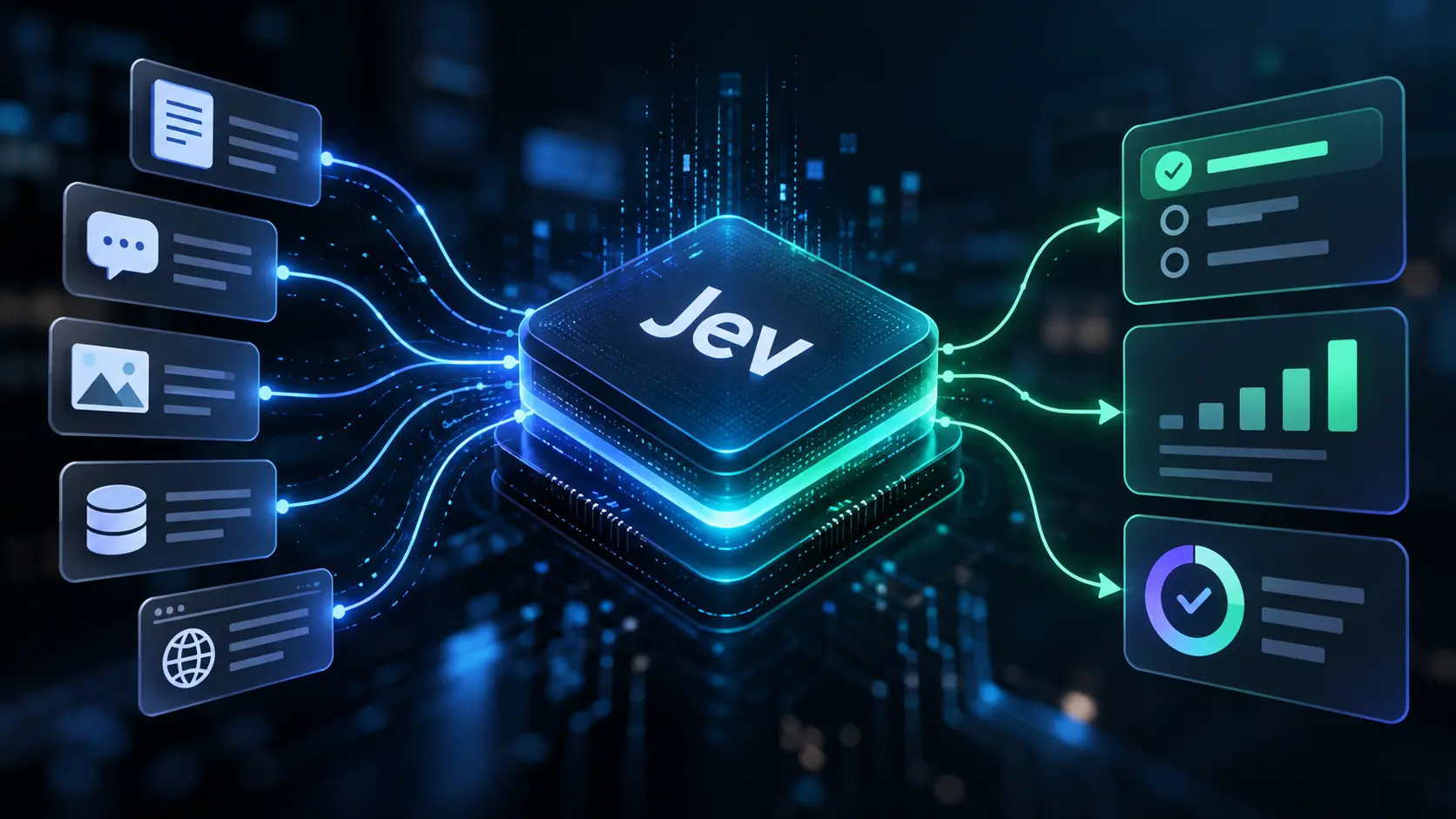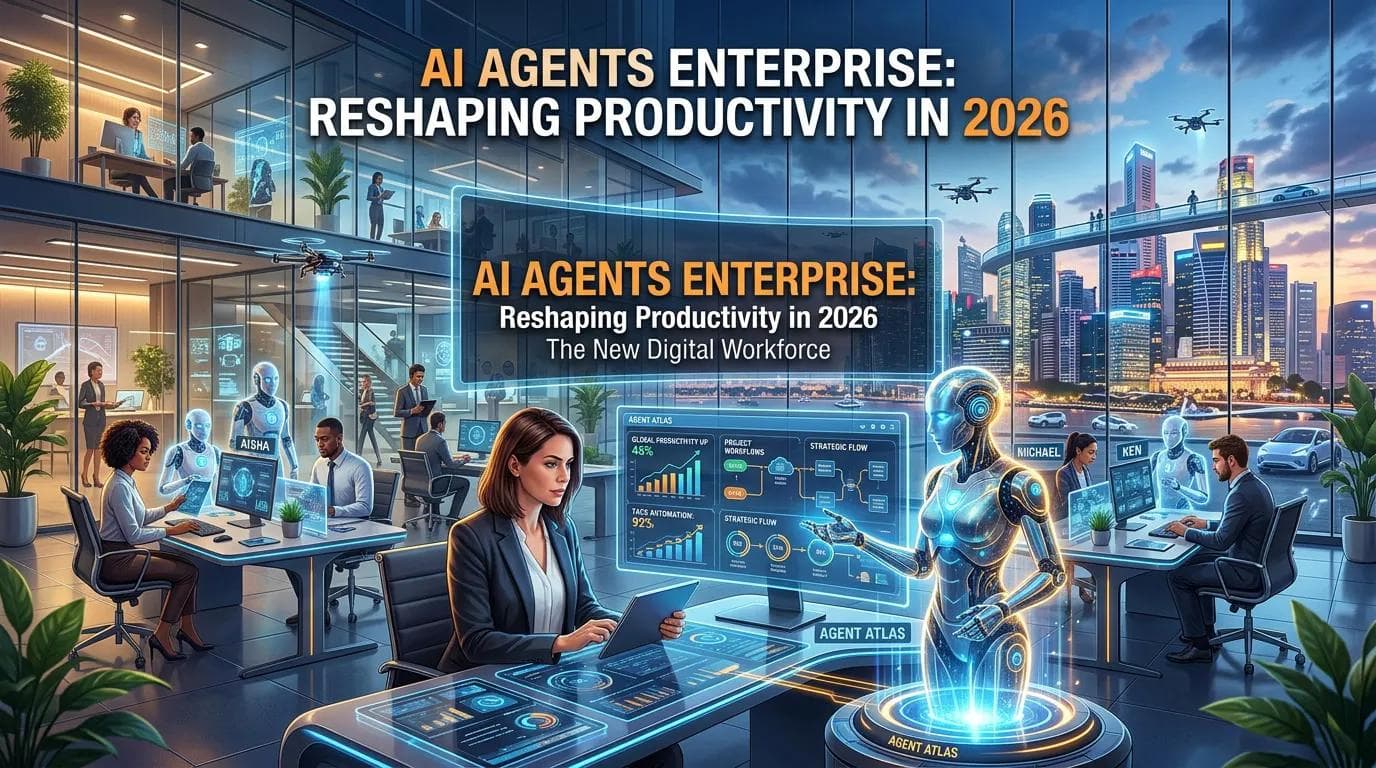
Adopting AI agents enterprise technology is no longer a futuristic ambition but a fundamental necessity for organizations striving to maintain operational agility in 2026. As businesses grapple with the escalating complexity of data-driven decision-making, the shift from static tools to autonomous, multi-step execution systems is fundamentally altering how value is created. This article explores the mechanics, implications, and strategic challenges of deploying these sophisticated systems, providing a roadmap for navigating the new landscape of enterprise productivity.
What is AI agents enterprise?
AI agents enterprise refers to autonomous software systems capable of executing complex, multi-step business processes without continuous human intervention. Unlike simple co-pilots that assist with drafting or summarizing, these agents leverage advanced reasoning models to interface with software, analyze operational data, and complete end-to-end tasks like supply chain optimization or financial reporting.
In essence, these agents act as digital employees. They understand context, maintain long-term memory of enterprise goals, and utilize specialized tools to navigate organizational silos. By moving beyond traditional software automation, they create a dynamic layer of intelligence that bridges the gap between raw operational data and actionable, real-time outcomes.
How AI agents enterprise Works (Step-by-Step)
The functionality of modern agentic systems relies on high-level reasoning and iterative execution. Here is the operational framework:
- Task Decomposition: The system takes a high-level business goal, such as 'resolve supply chain delays in the EMEA region,' and breaks it into smaller, manageable sub-tasks.
- Perception and Context Retrieval: The agent pulls data from CRM, ERP, and internal knowledge bases to understand the current state of the environment.
- Reasoning and Planning: Utilizing models like GPT-5.4, the agent evaluates different paths to resolution based on historical patterns and current constraints.
- Tool Interaction: The agent utilizes APIs and custom enterprise interfaces to perform actions, such as placing orders or adjusting shipping logs.
- Verification and Self-Correction: The agent reviews the outcome of its actions. If the result does not meet the specified KPI, it adjusts its strategy and re-executes.
- Reporting and Escalation: The agent presents a final summary of the completed task to a human supervisor, highlighting where human judgment was required for final approval.
Benefits of AI agents enterprise
The integration of sophisticated agents offers transformative potential for organizational scale. Organizations that successfully implement these technologies report three primary advantages:
- Operational Scalability: Agents handle repetitive, high-volume tasks, allowing human talent to shift focus toward high-value strategy and creative problem-solving.
- Reduced Latency: By automating decision-making steps, companies eliminate the bottlenecks associated with manual approval chains and information hand-offs.
- Data Democratization: Advanced systems convert unstructured operational data into accessible knowledge, ensuring that every department has the intelligence required to make informed decisions.
- Cost Optimization: By dynamically reallocating resources based on real-time agentic monitoring, firms can drastically reduce waste in inventory and resource distribution.
Real-World Examples of AI agents enterprise
To understand the impact, consider how these systems are currently deployed across industries:
Financial Services
In banking, agents autonomously monitor transactional data for anomaly detection. Instead of simply flagging a suspicious entry, the agent investigates historical account behavior, pulls public records, and drafts a detailed risk assessment before alerting a human compliance officer, reducing investigation time by over 70%.
Supply Chain Management
Companies are utilizing agents to manage inventory logistics. When a shipment is delayed, the agent automatically re-routes deliveries via secondary logistics providers, updates the customer-facing portal, and adjusts inventory accounting records—all without a human needing to coordinate between multiple internal systems.
IT Operations
IT departments deploy agents to manage cloud infrastructure. These systems monitor for performance degradation and automatically scale server clusters, patch security vulnerabilities, and optimize power consumption during off-peak hours.
AI agents enterprise vs Traditional Systems
Traditional enterprise software is largely reactive and rule-based. It follows a static 'if-then' logic provided by developers. In contrast, AI agents enterprise systems are proactive and probabilistic. They operate in 'grey' areas where the rules are not explicitly defined, allowing them to adapt to changing market conditions. While traditional systems require constant manual input, agents act as persistent, learning entities that evolve as the business environment changes.
Challenges and the AI Productivity Paradox
Despite the significant efficiency gains, the adoption of these technologies has triggered a nuanced discussion regarding the AI productivity paradox. Many organizations find that while individual tasks become faster, the overall intensity of work increases. The ability to perform more in less time leads to higher volume expectations from leadership, potentially fueling burnout.
Furthermore, there is the risk of 'automation drift,' where agents begin making decisions that slowly diverge from corporate strategy because the data environment changed in ways the model did not anticipate. Maintaining human-in-the-loop oversight is critical. Relying solely on automation without rigorous auditing can expose a company to significant operational and reputational risks.
Future of AI agents enterprise
Looking toward 2027 and beyond, we expect a shift toward 'agent swarms.' Instead of one large, monolithic system, organizations will deploy small, specialized agents that communicate with one another to solve global enterprise goals. The integration of Gemini Agent capabilities will likely become standard, allowing for seamless cross-platform functionality across email, document suites, and proprietary databases. As enterprise AI solutions become more embedded, the differentiator will not be the technology itself, but the organizational culture that learns to partner with agents effectively.
Key Takeaways
- AI agents enterprise are autonomous, reasoning-based systems that handle end-to-end task execution.
- The core advantage lies in their ability to perform complex, multi-step workflows that traditional automation cannot address.
- Implementation must be balanced with human oversight to avoid the negative effects of the AI productivity paradox.
- Future development will focus on agent interoperability, allowing multiple specialized agents to collaborate on enterprise-wide objectives.
Frequently Asked Questions
How does an AI agent differ from traditional workflow automation?
Traditional automation requires manual mapping of every step in a process. AI agents use reasoning to determine the steps themselves, allowing them to handle dynamic or unpredictable situations.
What are the main risks associated with deploying AI agents?
The primary risks include potential loss of transparency in decision-making, data security vulnerabilities, and the possibility of 'automation drift' where agents make errors due to shifting external conditions.
Will AI agents replace employees in the enterprise?
Rather than replacing employees, agents act as force multipliers. They automate the 'drudge work,' allowing human talent to focus on high-level cognitive tasks that require empathy, ethics, and strategic vision.
How should companies start their journey with AI agents?
Companies should begin with low-risk, high-volume tasks such as data entry automation or internal scheduling. Success in these areas provides the necessary framework to scale into more mission-critical operations.
Is the AI productivity paradox real?
Yes, evidence suggests that when automation makes work easier, it often leads to increased workload expectations. Managers must ensure that time saved is redirected toward strategic value rather than just increased output volume.
In conclusion, the era of AI agents enterprise represents a fundamental shift in how work is organized. By leveraging advanced autonomous capabilities, firms can achieve unprecedented levels of efficiency. However, success depends on moving beyond the excitement of automation to establish a robust governance framework that manages the human and strategic impact of this technological evolution.
About the Author

Suraj - Writer Dock
Suraj Kumar is a writer, entrepreneur, and the CEO and founder of this website, sharing simple and practical insights on business, creativity, and personal growth. With experience building digital projects, they enjoy helping others learn, grow, and succeed online.