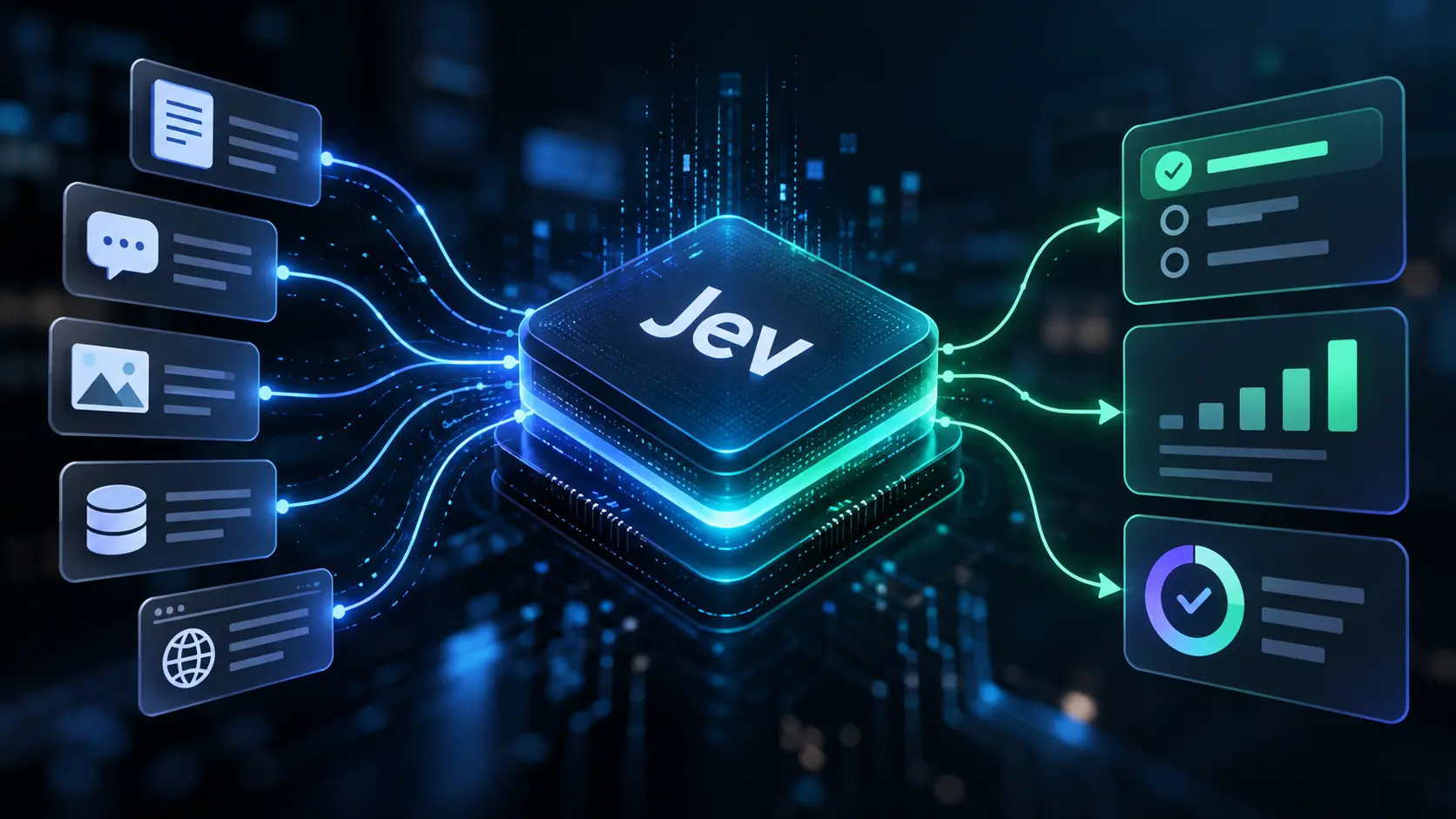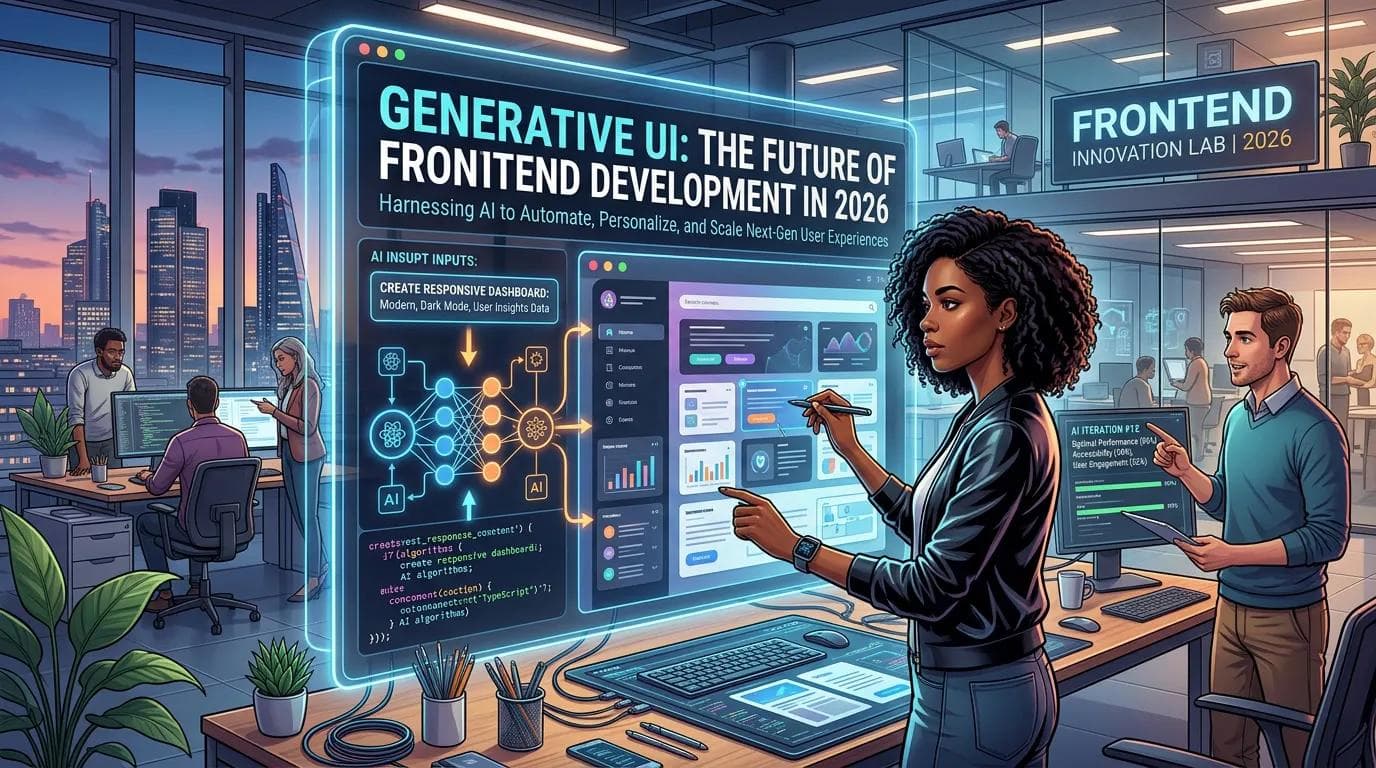
Generative UI is fundamentally altering the landscape of frontend development by enabling machines to construct interactive interfaces directly from natural language intent. As developers face increasing pressure to deliver complex web applications at higher speeds, these intelligent systems serve as a bridge between high-level conceptual designs and production-ready code. This article explores how modern automation frameworks are shifting the focus from manual coding to architecture and orchestration.
What is Generative UI?
Generative UI refers to an emerging paradigm in software engineering where AI models dynamically generate frontend components, application scaffolding, and interactive elements based on user prompts or contextual data. Unlike static code generation, it produces live, functional UI state, allowing for rapid iteration and real-time interface modification.
At its core, it acts as a translation layer that interprets abstract requirements into structured DOM elements and logic. By leveraging systems like Vercel's json-render or Google's A2UI, frontend teams can offload the repetitive tasks of component composition to specialized models, ensuring consistency across large-scale design systems.
How Generative UI Works (Step-by-Step)
The process of creating interfaces via generative models follows a structured pipeline designed to minimize human intervention while maximizing architectural control. The following steps outline the typical workflow in a 2026 production environment:
- Intent Interpretation: A developer provides a prompt—such as "Create a dashboard layout with a sidebar navigation, a data table with filtering, and a notification bell"—which the model parses into a JSON schema.
- Schema Mapping: The engine maps the interpreted intent to an existing component library, ensuring that the generated output adheres to company design tokens and style guides.
- Interface Rendering: Systems like Vercel's json-render then serialize this schema into actual React or Vue components, rendering them into the browser preview environment instantly.
- Contextual Refinement: Developers interact with the rendered output, refining specific properties or layouts through further prompts, allowing the model to make granular adjustments to the underlying logic.
- Deployment and Integration: Once the UI meets requirements, the generated code is integrated into the codebase, typically as modular components that can be maintained as standard repository files.
Benefits of Generative UI
The primary advantage of adopting these frameworks lies in the significant reduction of boilerplate coding. Developers can focus on complex business logic rather than the minute details of CSS grid alignment or hook orchestration.
- Enhanced Productivity: Automating the scaffolding of repetitive components allows teams to build full-scale features in hours instead of days.
- Design System Consistency: By grounding the generation process in pre-defined design tokens, these tools guarantee that all auto-generated interfaces remain on-brand.
- Faster Prototyping: Stakeholders can see live, functional versions of proposed features, drastically shortening the feedback loop between design and implementation.
- Lowered Cognitive Load: By offloading structure-heavy tasks to AI, developers can preserve their mental energy for high-level architectural decisions and system performance optimization.
Real-World Examples of Generative UI
The integration of advanced tools has created unique use cases for modern web teams. One prominent example is the use of Google's A2UI for internal tooling. Development teams often need to build admin panels or data-heavy dashboards that follow repetitive patterns. Instead of coding these from scratch, engineers prompt the A2UI framework to generate the entire shell based on API documentation, saving dozens of hours on tedious CRUD interface development.
Another practical application is found in marketing-driven landing pages. With Vercel's json-render, marketing teams can request specific variants for A/B testing—such as adding a countdown timer or a new call-to-action block—which the AI renders as a validated component without requiring a full redeployment cycle from the core engineering team. These examples showcase a future where UI is treated as a fluid, reactive layer rather than a static asset.
Generative UI vs Traditional Systems
Traditional development relies heavily on manual coding, component library maintenance, and static file updates. While traditional systems provide absolute control, they often lead to bottlenecks as applications grow in complexity. Generative UI introduces a more flexible, intent-driven approach. While manual coding remains superior for bespoke, highly-performant animations or custom interactions, generative systems are significantly faster for standard, data-driven interface components. The ideal 2026 workflow involves a hybrid approach, where high-complexity "hero" components are hand-crafted, and the supporting "utility" UI is managed via generative orchestration.
Challenges or Risks of AI Frontend Development
While the efficiency gains are substantial, this shift is not without its risks. The primary concern is code maintainability. If an AI generates a significant portion of a large-scale application, understanding the underlying structure during troubleshooting can become difficult. Furthermore, developers must be wary of "hallucinations" where the model might produce code that technically renders correctly but ignores security best practices or accessibility (WCAG) standards.
To mitigate these risks, engineering teams must implement strict guardrails. This includes enforcing human-in-the-loop reviews for all generated code, utilizing linters that enforce security standards, and treating AI-generated assets as human-readable components rather than immutable black-box outputs.
The Future of Generative UI
The trajectory of AI in web development suggests that the role of the frontend developer will evolve toward that of an "AI Architect." Rather than writing every function line-by-line, developers will spend their time building robust component libraries, fine-tuning the models that guide generation, and overseeing the integration of these modules. As these tools become more context-aware, they will naturally integrate with IDEs like Cursor or Claude Code, offering real-time refactoring suggestions that anticipate needs before the developer even types them out. The future is not about replacing the human, but about empowering them to operate at a higher level of abstraction.
Key Takeaways
- Generative UI leverages natural language to build interactive web interfaces quickly.
- Key tools like Vercel json-render and Google A2UI are setting the standard for automated scaffolding.
- These systems excel at reducing boilerplate and maintaining design system uniformity.
- Successful adoption requires a hybrid workflow, combining AI-generated components with human-led architectural oversight.
- Security and accessibility remain paramount; generative output must be treated as subject to human review.
FAQ: AI Frontend Development
1. Can Generative UI replace frontend developers? No. It acts as an assistant that automates repetitive tasks. Human developers are still required for complex architecture, system performance, and strategic decision-making.
2. Is code generated by AI secure? It depends on the guardrails. Always treat auto-generated code as a starting point, and run it through your standard security linting and human code review processes.
3. How does this impact CSS and styling? Most frameworks integrate with modern CSS-in-JS or Tailwind utilities, ensuring that generated UI follows your pre-existing style tokens for consistent visual design.
4. Is it possible to use these tools in existing projects? Yes, most generative frameworks are designed to work with existing component libraries, allowing you to gradually introduce AI-generated modules into legacy codebases.
5. What is the most important skill for a developer in 2026? Orchestration and architectural oversight. Understanding how to manage, validate, and integrate AI-generated code will be more valuable than knowing every syntax nuance of a framework.
Conclusion
Generative UI represents the next logical step in the evolution of web development. By embracing these tools, frontend teams can overcome the traditional speed-versus-quality trade-off, creating more interactive, brand-consistent, and robust applications. While the technology is still maturing, its impact on developer productivity is already undeniable. As we move deeper into 2026, those who master the art of working alongside generative systems will set the pace for the rest of the industry.
About the Author

Suraj - Writer Dock
Suraj Kumar is a writer, entrepreneur, and the CEO and founder of this website, sharing simple and practical insights on business, creativity, and personal growth. With experience building digital projects, they enjoy helping others learn, grow, and succeed online.