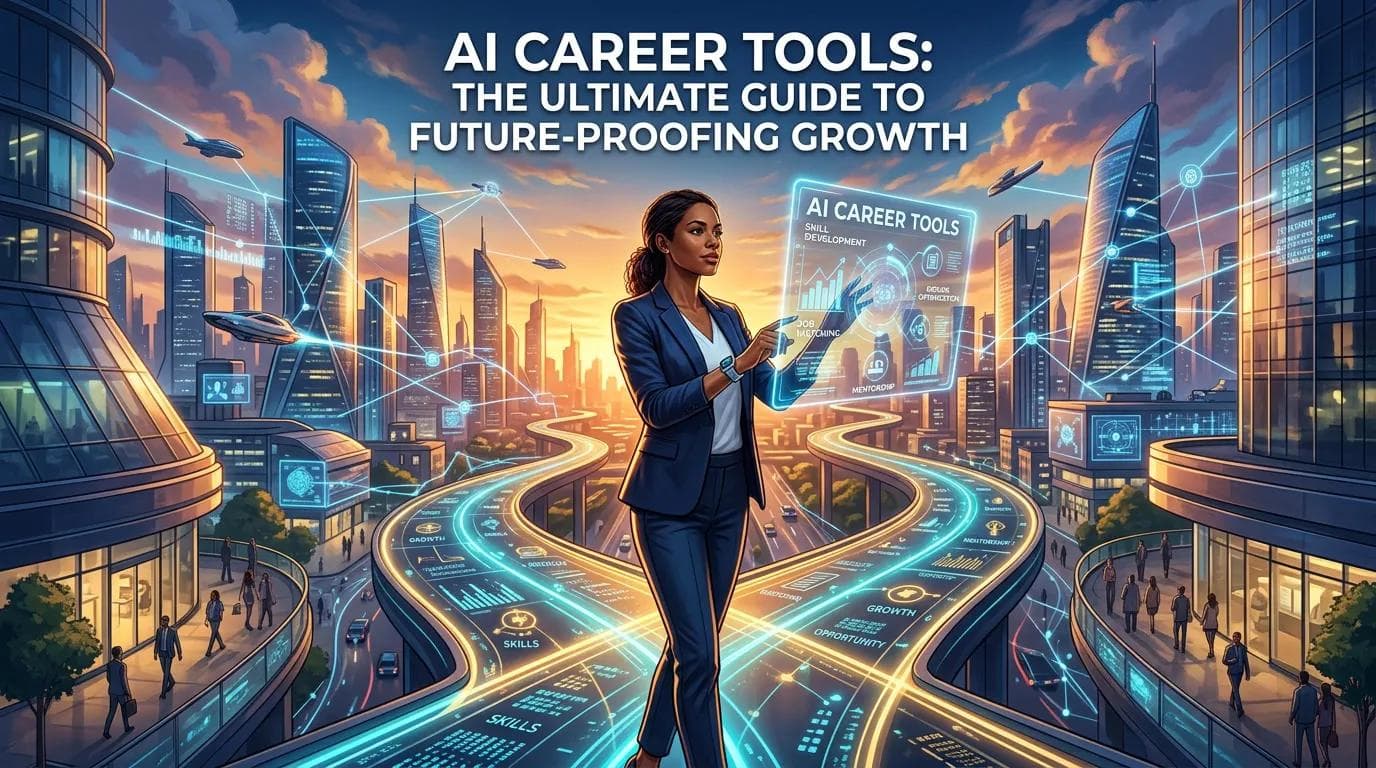
Navigating the modern professional landscape requires more than just experience; it demands the strategic use of AI career tools to remain relevant in an increasingly automated world. As traditional career trajectories blur, workers must leverage intelligent platforms to identify skill gaps, optimize resumes, and craft personalized learning paths that align with emerging market demands. This article explores how to harness these technologies to secure your professional future through targeted upskilling and reskilling initiatives.
What is AI Career Tools?
AI career tools represent a suite of intelligent software applications designed to analyze professional data, market trends, and individual skill sets to provide actionable guidance for career progression. By utilizing machine learning algorithms, these platforms automate resume tailoring, simulate realistic interview scenarios, and curate bespoke educational content. These systems act as a digital career coach, helping professionals pivot, advance, or sharpen their expertise based on real-time economic data rather than guesswork.
Defining the Tech
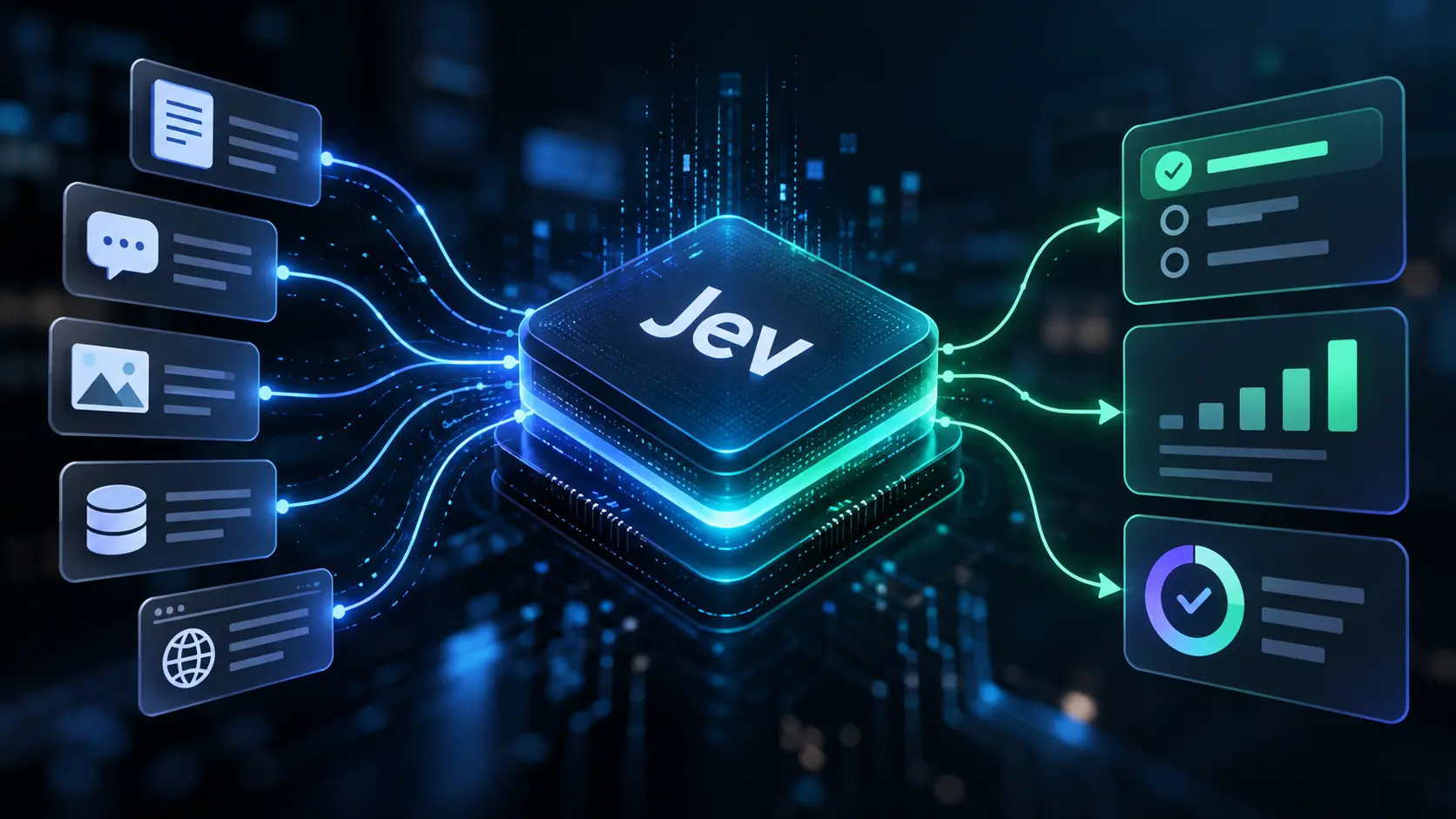
At their core, these solutions aggregate massive datasets from job boards, educational institutions, and labor market trends. They translate this data into individual roadmaps. Whether a professional is seeking their first role or pivoting after a decade, these tools bridge the gap between their current capabilities and the requirements of future-proof job roles. They move away from the 'one-size-fits-all' model of traditional career coaching, providing a hyper-personalized approach that adapts as the user grows.
How AI Career Tools Works (Step-by-Step)
Understanding how these platforms function is critical to maximizing their effectiveness. The process typically follows a structured data-driven cycle:
- Data Ingestion and Skill Mapping: You upload your professional history or LinkedIn profile. The system parses your experience into a structured skill graph, identifying your core competencies.
- Market Analysis: The platform compares your skills against thousands of live job descriptions for your target roles to determine exact skill gaps.
- Curated Learning Paths: Based on the gaps identified, the system generates a personalized curriculum, recommending specific courses, projects, or certifications required to bridge those gaps.
- Optimization and Simulation: The tool then optimizes your application documents to align with specific job descriptions and uses simulated scenarios to help you practice technical or behavioral interview responses.
- Continuous Monitoring: As the market evolves, the system alerts you to new in-demand skills, ensuring your career development strategy remains dynamic.
Benefits of AI Career Tools
Transitioning to an AI-assisted professional development strategy offers significant advantages over manual career planning:
- Hyper-Personalization: Instead of generic career advice, you receive a roadmap tailored to your specific experience level and aspirations.
- Efficiency in Reskilling: By focusing only on the specific skills missing from your portfolio, you drastically reduce the time needed to prepare for a career pivot.
- Competitive Edge: Using tools to optimize application materials ensures that you bypass automated gatekeepers and reach human recruiters faster.
- Confidence Building: Practice environments allow you to refine your communication and technical problem-solving skills in a low-stakes, high-feedback setting.
Real-World Examples of AI Career Tools
Many professionals are already using these systems to navigate complex career changes. For instance, a marketing manager looking to transition into data analytics might use these platforms to map their existing skills in consumer behavior to the data-driven requirements of the new field.
Another practical use case is the 'resume-to-job' alignment. By inputting a target job description, the software highlights exactly which keywords and project examples from your history should be emphasized, ensuring your application resonates with the specific language of the role. For those focusing on upskilling for AI, these platforms often suggest specific technical modules—such as data visualization or prompt engineering—based on the current hiring trends in the user’s target industry.
AI Career Tools vs Traditional Systems
Traditional career development often relies on static templates, manual networking, and intermittent guidance from mentors. While mentors are invaluable, their capacity is limited.
In contrast, AI career tools offer:
- Availability: 24/7 access to guidance and feedback.
- Data Density: The ability to scan thousands of job market data points instantly, which no single human mentor could replicate.
- Impartiality: Unbiased feedback on resume effectiveness based on objective success metrics rather than personal opinion.
However, these tools work best as a complement to, rather than a replacement for, human intuition and networking. The most successful career strategies combine the analytical power of technology with the qualitative wisdom of human mentorship.
Challenges or Risks of AI Career Tools
While highly effective, reliance on these technologies comes with considerations. First, the 'black box' problem: some platforms may suggest paths based on opaque algorithms, which may not always align with your personal values or long-term happiness. Second, over-reliance on optimization can sometimes lead to generic-sounding applications that lack a human "voice."
It is vital to use these platforms as a foundation for your strategy, ensuring that you personally oversee the final outputs. Always treat these platforms as advisors rather than decision-makers, and maintain your critical thinking when choosing which career path to pursue.
Future of AI Career Tools
The future of career development is inherently tied to the integration of life-long learning. We are moving toward a 'skills-based economy' where degrees matter less than demonstrable competency. Future iterations of these tools will likely integrate even more deeply with project-based learning, allowing users to build portfolios while simultaneously learning.
We anticipate these systems will eventually move from reactive (telling you what to learn) to predictive (suggesting roles that will exist five years from now based on your specific growth trajectory). As AI literacy becomes a foundational requirement for all sectors, the ability to partner with these tools will become a core professional skill in itself.
Key Takeaways
- AI career tools offer a data-driven approach to identifying and bridging critical skill gaps.
- Personalization is the primary driver of success, replacing outdated, generic career planning.
- Reskilling workforce strategies are now more accessible through curated, targeted learning paths.
- Combining AI-driven insights with human judgment provides the most effective career growth.
- Continuous monitoring of market trends is essential for long-term career longevity.
Frequently Asked Questions
How do AI career tools help with reskilling?
These tools analyze the specific requirements of new roles and compare them to your existing skill set, creating a direct path to acquire only the necessary missing skills for a successful transition.
Can these tools replace a career coach?
They serve as a powerful complement, offering 24/7 data-backed guidance that a human mentor cannot provide in terms of scale, though they lack the nuanced, empathetic perspective of a human coach.
Are these platforms secure for my personal data?
Most reputable platforms utilize encryption and strict privacy protocols, but users should always review terms of service regarding data usage before uploading sensitive professional documents.
How does AI career development impact future of work skills?
By focusing on high-demand, future-proof skills like technical literacy and critical problem-solving, these tools ensure your development remains aligned with the needs of the evolving digital economy.
Conclusion
The landscape of professional growth is undergoing a permanent shift. By adopting AI career tools today, you are not just keeping pace with technology; you are actively shaping your future. These platforms provide the necessary clarity and efficiency to navigate the complexities of modern employment. Whether you are aiming for a promotion, seeking a career pivot, or simply looking to enhance your AI literacy, leveraging these digital allies is the most effective way to ensure long-term career sustainability.
About the Author

Suraj - Writer Dock
Suraj Kumar is a writer, entrepreneur, and the CEO and founder of this website, sharing simple and practical insights on business, creativity, and personal growth. With experience building digital projects, they enjoy helping others learn, grow, and succeed online.